Can Residents Receive Compensation for Highway Noise?
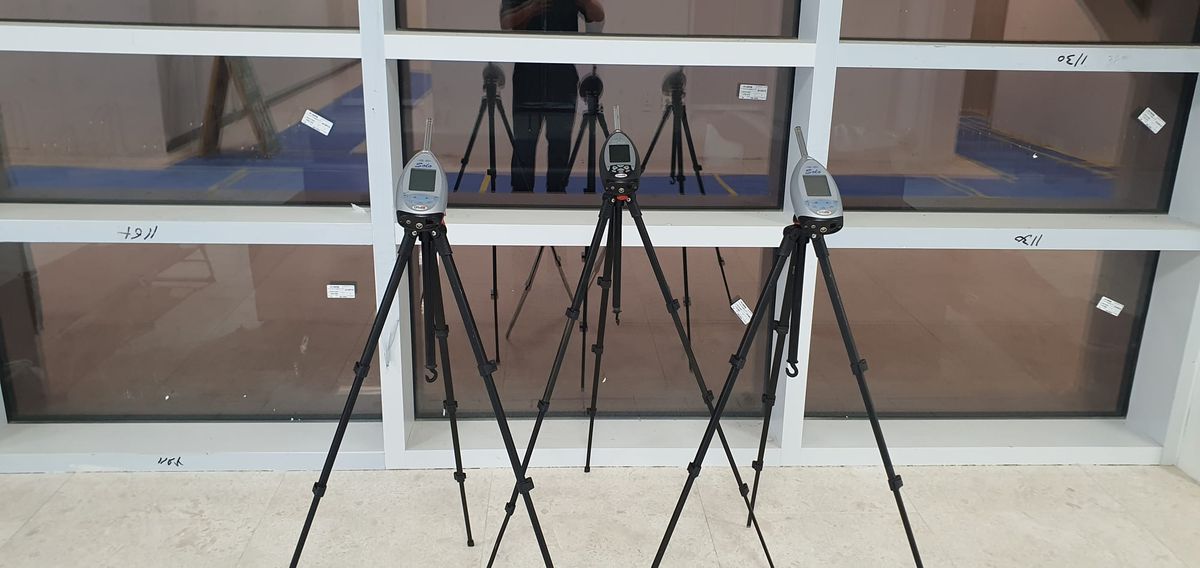
What Recent Korean Disputes Tell Us About Residential Rights
A question frequently asked by residents is:
“Can I receive compensation for traffic noise?”
The answer depends on many factors.
Simply living near a road does not automatically guarantee compensation.
However, recent disputes in Korea show that traffic noise is being taken more seriously than in the past.
More Than a Simple Complaint
Historically, courts often viewed traffic noise as an unavoidable part of urban life.
Residents were expected to tolerate a certain level of inconvenience.
Today, the discussion is changing.
The focus has shifted toward:
- quality of life
- residential rights
- environmental rights
- health impacts
The Importance of “Reasonable Tolerance”
A key concept in Korean environmental disputes is the idea of reasonable tolerance.
Decision-makers often examine:
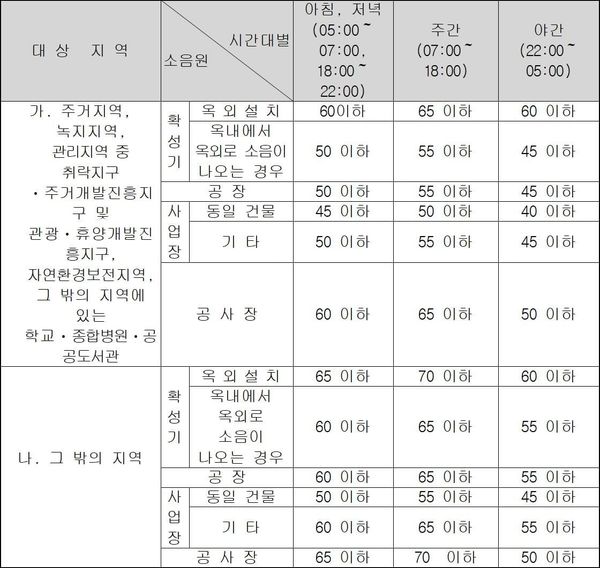
- actual noise levels
- nighttime exposure
- duration of the problem
- effectiveness of mitigation measures
- impacts on daily life
The question is not simply whether noise exists.
The question is whether the impact exceeds what an ordinary resident should reasonably be expected to endure.
Lessons from Korean Highway Disputes
In areas such as Seongnam and other rapidly developing regions, residents have raised concerns about highway noise affecting apartment complexes.
Some cases have involved disputes with developers and public authorities regarding residential conditions and mitigation measures.
These situations demonstrate that environmental noise can become a significant legal and social issue.
Building a Strong Case
Residents who believe they are experiencing excessive traffic noise should consider:
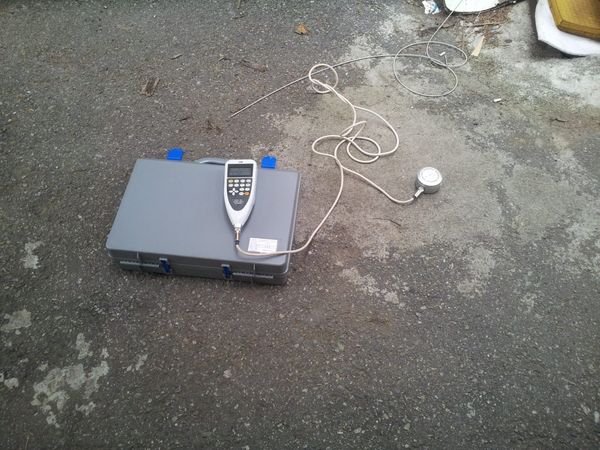
- Recording noise conditions.
- Documenting sleep disturbance.
- Collecting evidence from multiple households.
- Reviewing existing noise mitigation measures.
- Consulting environmental professionals.
Well-organized evidence is often more persuasive than individual complaints.
Looking Ahead
As cities continue to grow and transportation infrastructure expands, traffic noise disputes are likely to become more common.
Future solutions will require cooperation among residents, developers, transportation agencies, and environmental experts.
The goal is not to eliminate all noise.
The goal is to ensure that urban development and residential quality of life can coexist.
About the Housing Culture Research Institute (Korea)
Led by noise and residential environment specialist Sang-Gon Cha, the Housing Culture Research Institute researches traffic noise, apartment disputes, construction impacts, and residential environmental rights throughout Korea.