How to Block High-Pitched Noise Inside Your Home
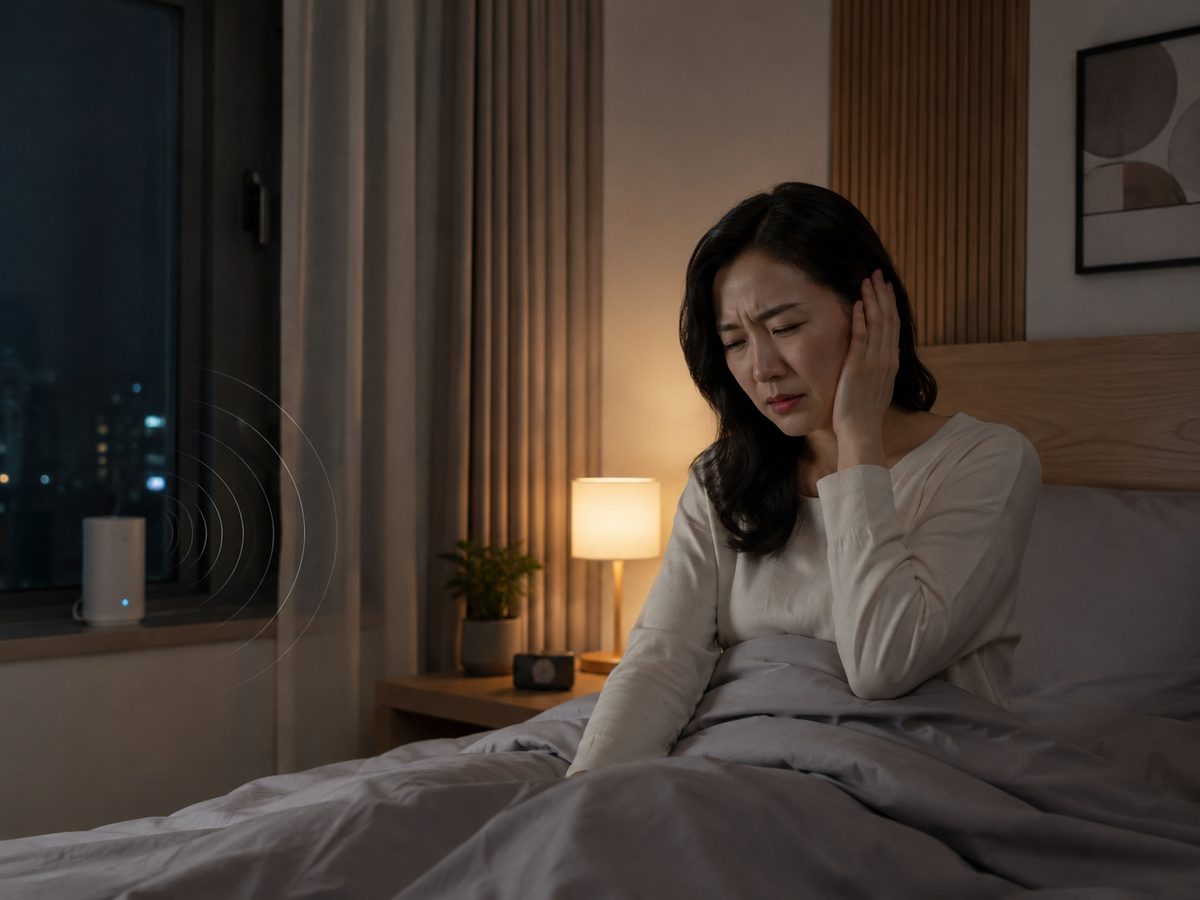
Sometimes, you may hear a “beep,” “whine,” or “buzzing” sound inside your home.
This may be high-pitched noise.
High-pitched noise can feel more irritating than low-frequency noise.
It often sounds louder at night or in a quiet room.
It can disturb sleep and cause stress, headaches, or fatigue.
1. Find the Source First
To reduce high-pitched noise, you need to find where it is coming from.
Common sources include:
- Refrigerator
- Air conditioner outdoor unit
- Fluorescent light ballast
- Charger
- Power strip
- Wi-Fi router
- Boiler
- Air purifier
- Ventilation fan
- Electronic adapters
Check when the sound occurs.
Also check whether the sound disappears when a certain device is turned off.
2. Turn Off Electronic Devices One by One
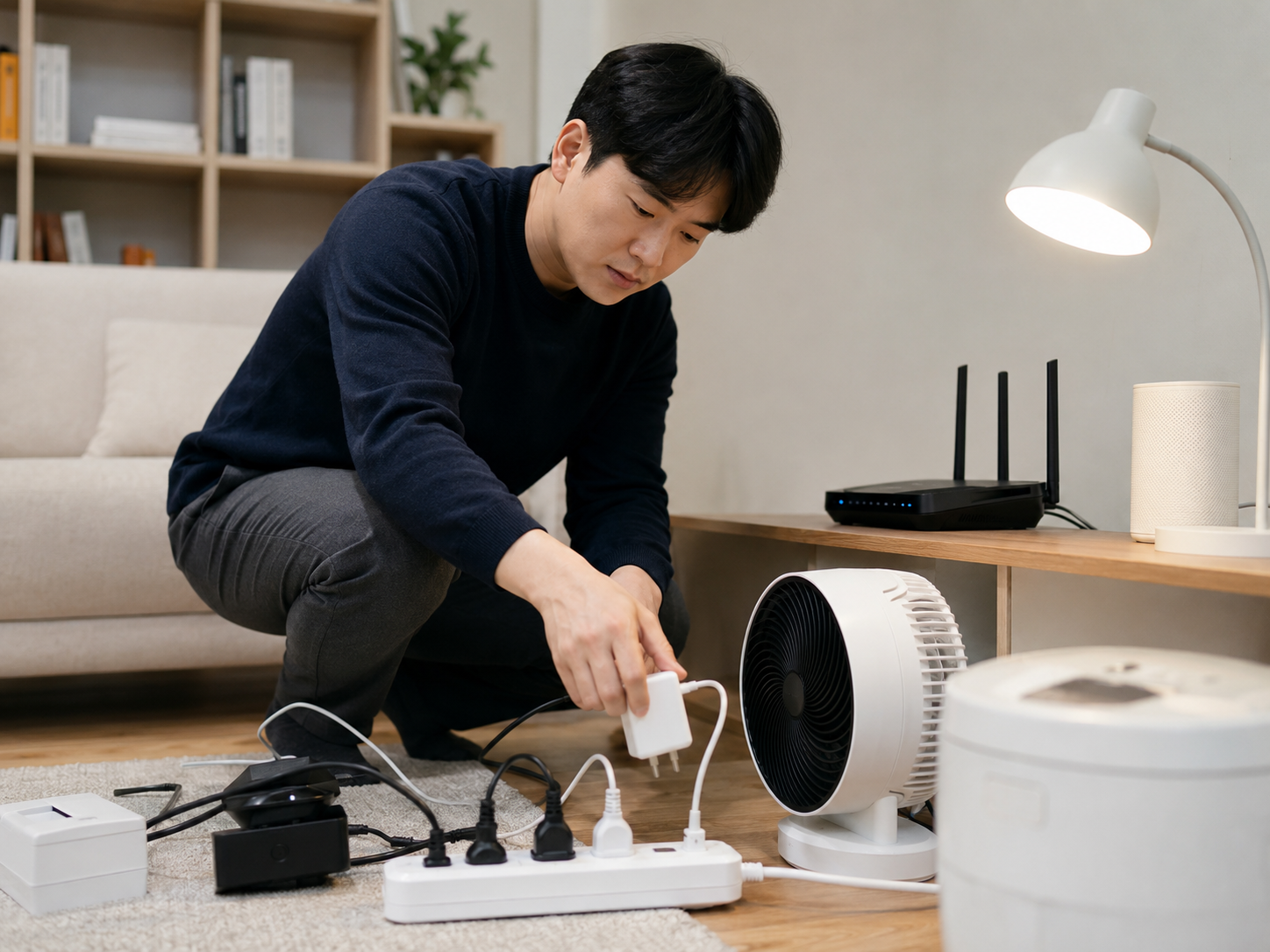
The easiest method is to turn off devices one at a time.
Start with chargers, power strips, lights, routers, and small appliances.
Avoid turning off appliances that must stay on, such as refrigerators.
Unplug chargers when they are not in use.
Old adapters or power strips should be replaced if they make noise.
3. Move Noisy Devices Away
High-pitched noise feels stronger when it is close.
Do not place noisy devices near your bed or desk.
Keep routers, air purifiers, chargers, and digital clocks away from your head while sleeping.
If a device is touching a wall or floor, vibration may also spread.
In this case, use anti-vibration pads or a rubber mat.
4. Seal Gaps Around Windows and Doors
Some high-pitched noise may come from outside.
Possible sources include outdoor air conditioner units, pipes, electrical equipment, and elevator machinery.
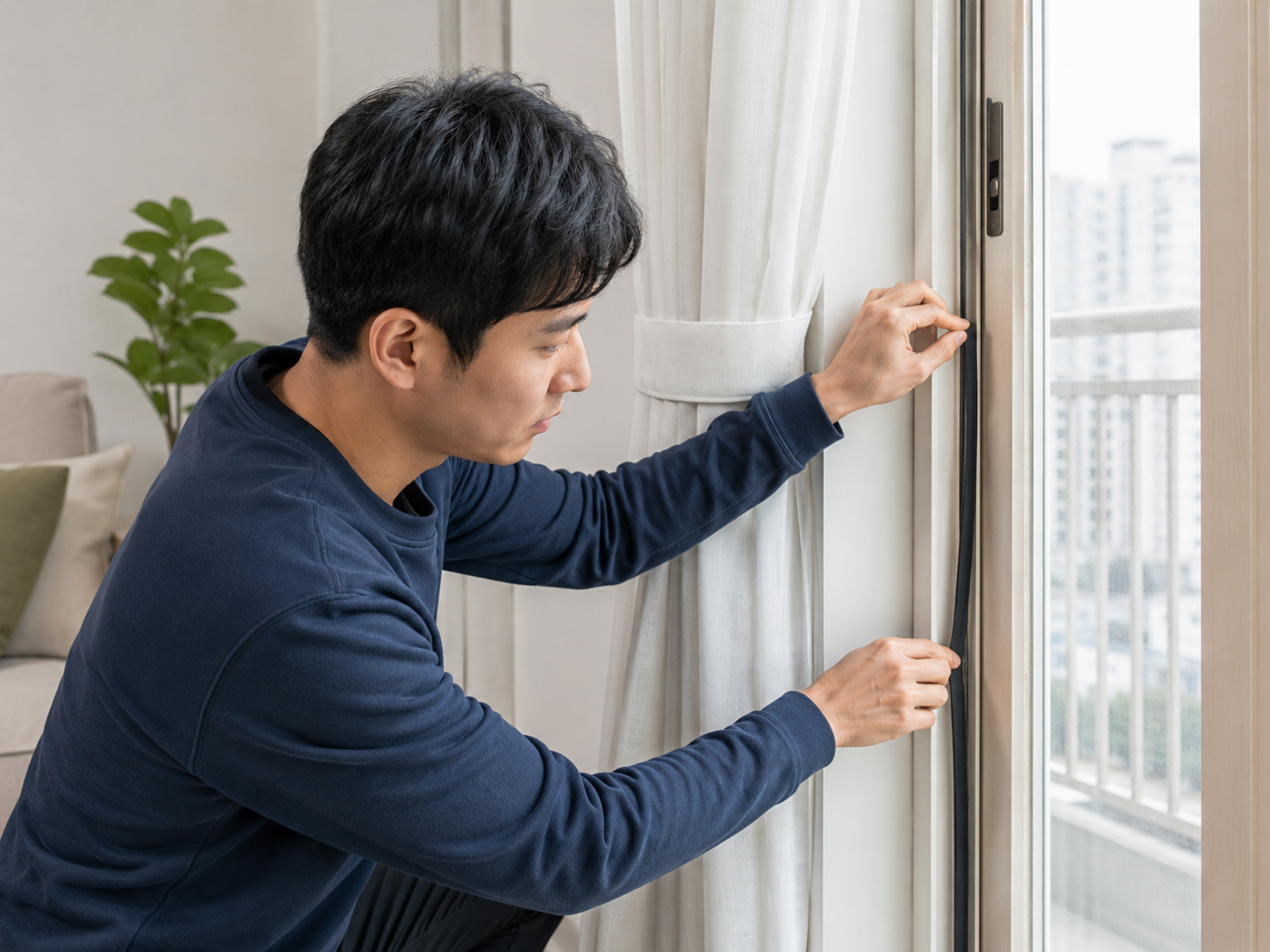
Noise can enter through small gaps around windows and doors.
Use weatherstripping, gap sealers, and thick curtains.
These may not block the sound completely, but they can reduce the noise you feel.
5. Soundproofing Materials Matter More Than Simple Absorbers
Thin foam or soft absorbers may not be enough to block high-pitched noise.
Sound-absorbing materials reduce echo inside a room.
But to block noise coming from outside, you need soundproofing materials.
Thick curtains, soundproof mats, sound-blocking sheets, and reinforced double-glazed windows may be more effective.
6. Use White Noise at Night
If the noise cannot be completely blocked, white noise may help.
Rain sounds, ocean waves, forest sounds, or fan sounds can make high-pitched noise less noticeable.
If high-pitched noise bothers you while sleeping, try playing soft nature sounds at a low volume.
7. Check Old Devices
If the noise continues, old equipment may be the cause.
Fluorescent light ballasts, refrigerator motors, boiler parts, ventilation fans, and outdoor air conditioner units can become noisier over time.
If the sound gets louder or vibration occurs together, it is better to have the device checked.
Conclusion
High-pitched noise inside the home may seem small, but it can cause serious daily stress.
First, find the source.
Then check electronic devices, move them away, seal gaps, and use anti-vibration or soundproofing products if needed.
Most importantly, high-pitched noise is difficult to solve by simply ignoring it.
Record the sound, identify the cause, and reduce it step by step.