Is Construction Noise Always Illegal? Understanding Korea's Residential Noise Standards
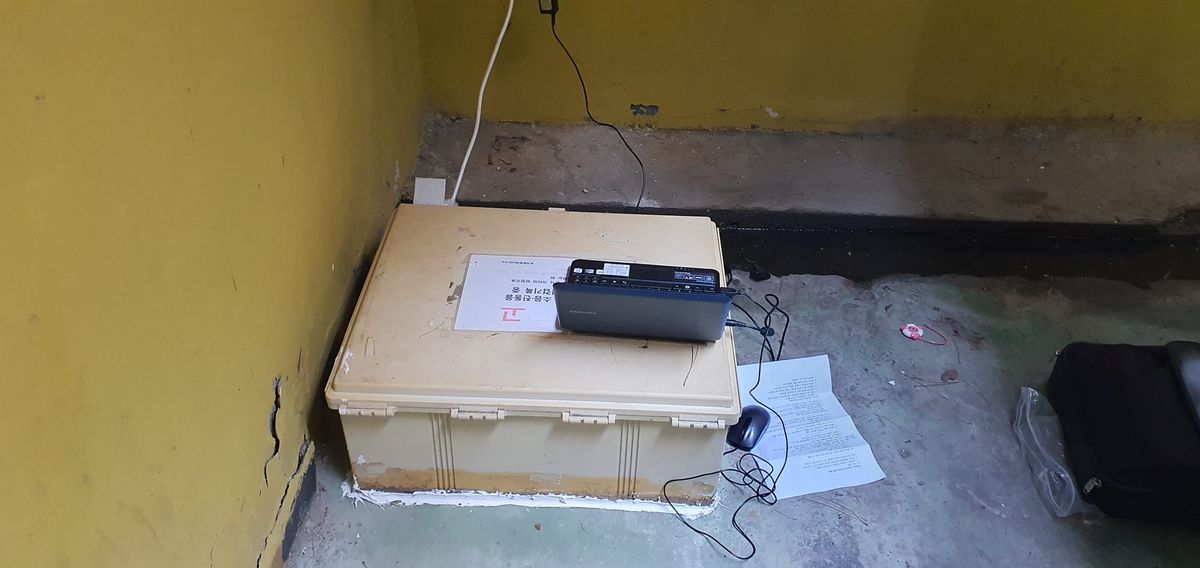
When residents hear loud construction noise near their homes, the first question is usually:
"Isn't this illegal?"
The answer is not always simple.
In South Korea, construction noise regulations depend on several factors, including location type, time of day, and the nature of the construction work.
Two Different Zones: "A" Areas and "B" Areas
Korean environmental noise regulations classify locations into two categories.
Area A
Includes:
- Residential zones
- Schools
- General hospitals
- Public libraries
- Nature conservation areas
These locations receive stronger protection because people live, study, recover, and rest there.
Area B
Includes most other areas not classified as Area A.
Construction Noise Limits
For Area A:
- Morning and evening: 60 dB
- Daytime: 65 dB
- Nighttime: 50 dB
For Area B:
- Morning and evening: 65 dB
- Daytime: 70 dB
- Nighttime: 50 dB
Why Residents Often Get Confused
Many residents use smartphone apps and immediately assume a violation has occurred.
However, legal evaluation depends on:
- measurement location
- time period
- zone classification
- construction activity type
A single measurement does not always tell the whole story.
Why Construction Noise Feels So Stressful
Construction equipment often produces impact sounds such as:
- drilling
- breaking concrete
- pile driving
These sounds are repetitive and difficult to predict.
Many residents report that uncertainty causes more stress than the actual volume.
Key Takeaways
- Construction noise standards vary by location.
- Residential zones receive stricter protection.
- Time of day affects legal limits.
- Noise complaints should consider more than just decibel readings.
About the Housing Culture Research Institute (Korea)
The Housing Culture Research Institute researches construction noise, vibration, apartment noise, and residential environmental conflicts throughout Korea.