Can You Receive Compensation for Construction Dust Damage? Understanding the Environmental Dispute Resolution Commission's Compensation Standards
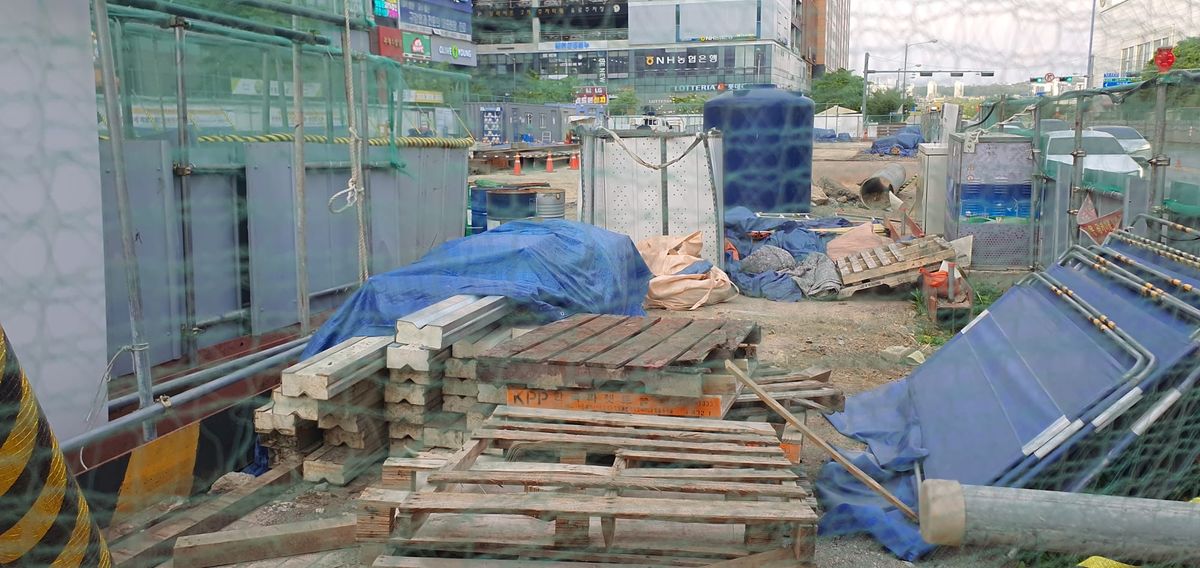
Construction projects are often seen as a sign of development.
However, for residents living nearby, construction can also bring an unwanted problem: dust.
Dust settling on balconies.
Laundry becoming dirty overnight.
Cars covered with fine particles.
Windows that can no longer be opened.
Many residents experience these issues, but few know that dust damage can be recognized as an environmental dispute and may qualify for compensation.
This article summarizes the compensation standards used by Korea's Central Environmental Dispute Resolution Commission for construction dust damage.
What Is Considered Dust Damage?
The Central Environmental Dispute Resolution Commission recognizes environmental damage caused by excessive dust generated from construction sites and industrial facilities.
Dust damage is generally divided into two categories:
1. Construction Site Dust (TSP)
- Measurement Method: 1-hour average
- Tolerable Limit: 200 μg/m³
2. Industrial Fine Dust (PM10)
- Measurement Method: 24-hour average
- Tolerable Limit: 80 μg/m³
If measured concentrations exceed these limits, compensation may be considered.
Compensation Standards for Construction Site Dust
Compensation is determined based on:
- Dust concentration level
- Duration of exposure
(Unit: KRW 1,000)
| Exposure Period | 200-250 | 251-300 | 301-350 | 351-400 | 401-500 | 501+ |
|---|---|---|---|---|---|---|
| Up to 1 month | 50 | 85 | 140 | 250 | 400 | 630 |
| Up to 2 months | 70 | 120 | 180 | 310 | 490 | 800 |
| Up to 3 months | 90 | 145 | 220 | 360 | 570 | 930 |
| Up to 6 months | 150 | 225 | 300 | 505 | 730 | 1,090 |
| Up to 1 year | 210 | 285 | 380 | 575 | 810 | 1,170 |
| Up to 2 years | 310 | 390 | 480 | 680 | 900 | 1,290 |
| Up to 3 years | 410 | 490 | 590 | 800 | 1,030 | 1,420 |
Compensation Standards for Industrial PM10 Damage
Separate standards apply to PM10 generated by industrial facilities.
(Unit: KRW 1,000)
| Exposure Period | 80-100 | 101-150 | 151-200 | 201-250 | 251-300 | 301+ |
| Up to 1 month | 50 | 70 | 150 | 280 | 430 | 630 |
| Up to 2 months | 70 | 90 | 190 | 360 | 570 | 840 |
| Up to 3 months | 90 | 110 | 230 | 410 | 660 | 960 |
| Up to 6 months | 150 | 170 | 325 | 505 | 780 | 1,090 |
| Up to 1 year | 210 | 240 | 400 | 575 | 850 | 1,170 |
| Up to 2 years | 310 | 340 | 500 | 680 | 960 | 1,290 |
| Up to 3 years | 410 | 450 | 610 | 800 | 1,080 | 1,420 |
How Is the Damage Period Calculated?
One important point in the compensation standard is that the damage period refers to:
The actual period during which the victim lived in the affected area and experienced the environmental damage.
This means compensation is not automatically based on the total construction period.
Instead, it focuses on the actual duration of exposure.
Not Every Dust Complaint Qualifies for Compensation
The compensation standard is based on concentrations that exceed the tolerable limit.
Ordinary background dust levels are not automatically compensable.
When reviewing a claim, authorities may consider:
- Air quality monitoring results
- Distance from the construction site
- Scale of construction activity
- Local environmental conditions
- Duration of exposure
Evidence Matters
Residents seeking compensation should document the impact as thoroughly as possible.
Helpful evidence may include:
- Photos of dust accumulation
- Contaminated laundry
- Dust-covered vehicles
- Indoor dust deposits
- Construction schedules
- Complaint records
- Environmental monitoring reports
The stronger the evidence, the easier it becomes to demonstrate actual damage.
Why This Standard Matters
Many residents assume construction dust is simply an inconvenience that must be tolerated.
However, Korean environmental dispute standards recognize that excessive dust can interfere with daily life and may justify compensation.
Understanding these standards helps residents better evaluate their situation and protect their rights.
About the Housing Culture Research Institute
The Housing Culture Research Institute researches:
- Construction noise and vibration
- Construction dust disputes
- Apartment noise conflicts
- Environmental damage assessment
- Residential quality-of-life issues
Our goal is to help residents understand environmental standards and find practical solutions based on objective data.
Join the NS Point Community
Share your experiences and knowledge with other residents.
🌱 NS Seed
🛡️ NS Guardian
🔧 NS Solver
👑 NS Master
Every experience shared may help another resident facing the same challenge.
References
- Central Environmental Dispute Resolution Commission
- Environmental Dispute Compensation Standards
- Construction Dust (TSP) Compensation Criteria
- Industrial PM10 Compensation Criteria
- Housing Culture Research Institute Research Materials
SEO Keywords
- construction dust compensation
- environmental dispute compensation
- construction site dust damage
- PM10 compensation standards
- environmental damage claims
- construction pollution compensation
- dust exposure compensation
- residential environmental disputes
- construction dust regulations
- environmental dispute resolution