Apartment Noise Committee Practice (2) How Touching the Wall Can Help Identify the Direction of Apartment Noise
Apartment Noise Committee Practice (2) How Touching the Wall Can Help Identify the Direction of Apartment Noise
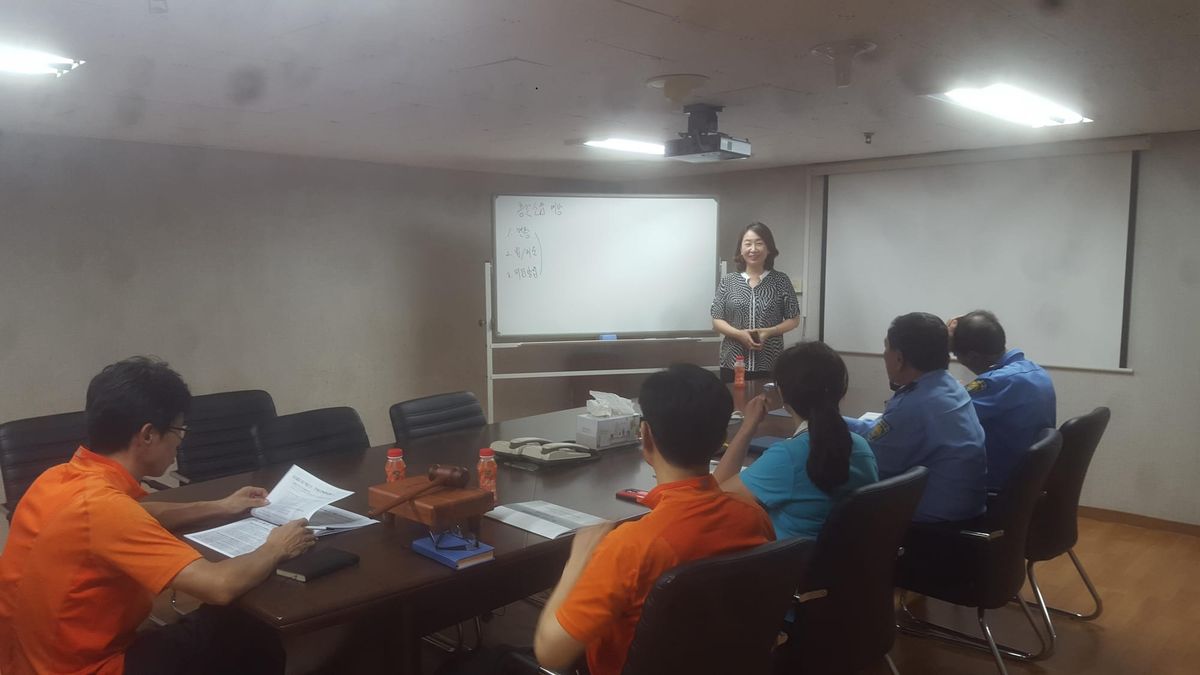
One of the most difficult tasks in apartment noise disputes is identifying where the noise actually comes from.
Many residents assume that noise from above must come from the unit directly upstairs.
But in reinforced concrete apartment buildings, this assumption is often wrong.
Sound and vibration can travel through slabs, walls, beams, pipes, and structural joints. As a result, the unit that appears to be responsible may not be the true source.
This is where a simple field method can help.
When the complainant hears the noise, the Apartment Noise Management Committee should move to the room where the noise is strongest. Then the committee should gently place a hand on the wall, especially near the area where the wall meets the ceiling.
If both sound and vibration are felt at the same time, the noise may be coming from the unit directly above.
If sound is heard but little or no vibration is felt, the noise may have traveled through multiple structural paths. In that case, the committee should also consider the upper floor above the suspected unit, diagonal units, and nearby units.
If vibration is stronger near the lower part of the wall, the source may not be ordinary footstep noise. Plumbing, water hammer, drainage pipes, or mechanical equipment should also be considered.
This method does not prove the source by itself.
But it gives the committee an important direction for investigation.
Without this step, the committee may wrongly pressure the upstairs resident and lose the trust of both households.
Practical Note from the Housing Culture Research Institute
Apartment noise cannot be solved by listening alone.
A practical investigation should confirm:
- where the resident feels the strongest noise
- whether vibration is present
- whether the vibration is closer to the ceiling or floor
- whether the suspected upstairs unit was active at the time
- whether other structural or mechanical sources are possible
The key is not to find someone to blame.
The key is to trace how sound and vibration travel through the building.
That is the difference between simple complaint handling and professional apartment noise mediation.
About the Housing Culture Research Institute
The Housing Culture Research Institute in Korea supports Apartment Noise Management Committees through field-based research, training, consulting, and residential conflict management.