Construction Noise Compensation: Why Is It Harder to Prove Damage After Construction Ends? Learning from Real Construction Damage Compensation Cases — Part 6
Construction noise can disappear before residents collect the evidence they need. Learn how to document noise, construction activities, work schedules, and daily disruptions before it is too late.
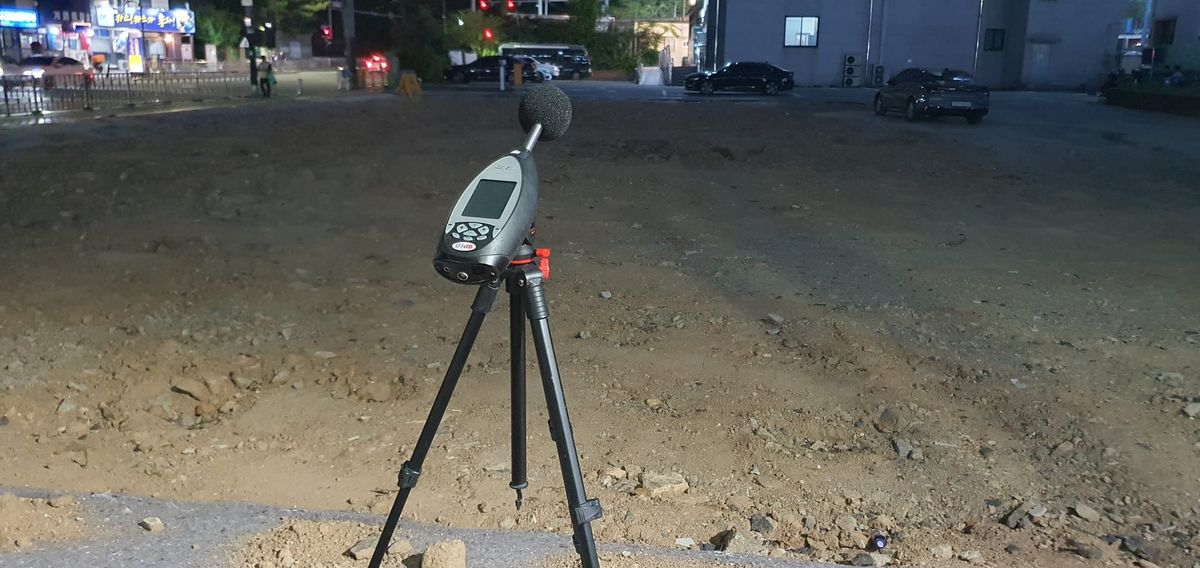
“The construction noise was unbearable for weeks. But now that the work has stopped, how can we prove what happened?”
This is a common problem for apartment residents living near construction sites.
Construction noise has one important characteristic:
Once the loudest construction work is over, the original noise conditions may be impossible to reproduce.
When demolition, excavation, or rock-breaking activities end, the equipment may be removed and the working conditions change.
As a result, residents who wait until construction is finished may struggle to provide convincing evidence of the noise they experienced.
So, what should residents document before the noise disappears?
1. Construction Noise Has an Expiration Date
Food products have expiration dates.
Construction noise has something similar: a limited period during which the original conditions can be observed and measured.
Imagine that a construction company uses heavy equipment to break rock near an apartment building for two weeks.
During those two weeks, residents may experience loud impact sounds, vibrations, and interruptions to their daily routines.
But once the rock-breaking work is completed, the same noise may never occur again.
A noise measurement taken several weeks later cannot reliably recreate the earlier conditions.
A quiet construction site today does not prove that it was quiet yesterday.
This is why residents should begin documenting noise while the most disruptive construction activities are still underway.
2. Record the Construction Activity, Not Just the Noise
Many residents use their smartphones to record loud construction noise from inside their apartments.
These recordings can be useful, but they have an important limitation.
An audio recording alone may not clearly establish which construction activity produced the sound.
A more effective approach is to document both the noise inside the apartment and the construction activity occurring at approximately the same time.
For example:
9:10 a.m. — Record repeated impact noise heard in the living room.
9:12 a.m. — Record excavation equipment operating at the nearby construction site.
Together, these recordings provide more context than an audio file alone.
They help show what residents experienced and what construction activities were taking place during the same period.
However, videos alone do not conclusively establish the source of a particular sound or prove that legal noise limits were exceeded.
Whenever possible, residents should preserve the original files with their timestamps.
3. Construction Schedules Can Become Valuable Evidence
Another important piece of evidence is often overlooked: the construction schedule.
Months after a noisy construction phase ends, residents may remember the disturbance but struggle to identify exactly when it happened.
They might say:
“It was extremely noisy sometime during the summer.”
Unfortunately, such a general statement may not be sufficient to establish a specific period of exposure.
Construction notices, work schedules, and announcements from apartment management offices can help residents reconstruct what happened.
Pay particular attention to the dates of:
- Demolition work
- Excavation and rock breaking
- Pile driving and foundation construction
- Other activities involving heavy machinery
Residents should save photographs or digital copies of construction notices before they are removed.
It is also important to remember that scheduled work dates may differ from actual work dates.
A construction schedule shows what was planned. A resident's dated observations help show what actually happened.
Both can be useful when reviewing a construction noise complaint.
4. The Three-Part Evidence Method: Noise, Construction, and Daily Impact
The Housing Culture Improvement Research Institute (HCRI) recommends connecting three types of information from the same date and time period.
This creates a clearer record of the circumstances surrounding a construction noise complaint.
Part 1: Record the Noise
Capture the noise as heard from inside the apartment.
Note the room, time, approximate duration, and type of sound.
Part 2: Record the Construction Activity
If it can be done safely and lawfully, document the visible construction activity occurring at approximately the same time.
For example, record whether excavation machinery, demolition equipment, or other heavy machinery is operating.
Part 3: Record the Effect on Daily Life
Write a short note describing how the noise affected normal activities.
For example:
October 15, 9:10 a.m.
- Location: Living room
- Noise: Repeated heavy impact sounds
- Duration: Approximately 20 minutes
- Construction activity: Excavation equipment operating nearby
- Daily impact: Online meeting interrupted
This record does not need to be complicated.
Even a few sentences can help residents explain what happened months later.
The goal is to connect the disturbance, the construction activity, and its effect on everyday life.
These records can support a complaint or compensation request, but they do not replace professional noise measurements or establish legal liability by themselves.
5. Do Not Rely on Smartphone Decibel Readings Alone
Smartphone noise measurement applications can help residents keep track of noise events.
However, readings may vary depending on the phone, microphone, application, and measurement conditions.
For this reason, smartphone decibel readings should generally be treated as supporting information rather than conclusive proof of a legal noise violation.
If construction noise is severe, residents should consider contacting the relevant local authority and requesting an appropriate noise assessment while the disruptive activity is still occurring.
In South Korea, construction noise complaints may be assessed under applicable noise regulations and official measurement procedures.
Legal requirements and compensation procedures vary by jurisdiction, so residents outside South Korea should check their local rules.
Conclusion: Collect Evidence Before the Noise Disappears
Construction noise compensation claims can become more difficult when residents wait until the loudest work has finished.
The problem is not necessarily that the disturbance never happened.
It is that the original conditions may no longer be available for observation or measurement.
Residents should remember four practical steps:
1. Record the noise inside the apartment.
2. Document construction activities occurring at approximately the same time.
3. Save construction schedules and important work dates.
4. Keep brief notes describing the impact on daily life.
Construction noise may disappear when the work ends, but a well-organized record can preserve important details of what residents experienced.
For residents considering a construction noise complaint or compensation request, the best time to start collecting evidence is while the disruptive construction work is still taking place.
Housing Culture Improvement Research Institute (HCRI)
Research and consulting on construction noise, vibration, environmental damage, and residential noise disputes.