What If an Upstairs Neighbor Refuses a Noise Complaint Consultation? Real Apartment Noise Resolution Cases — Part 9
When a neighbor refuses to discuss an apartment noise complaint, repeated visits may make the conflict worse. Discover how noise management committees can respect residents' boundaries, use written notices, and continue supporting the complainant. 복사
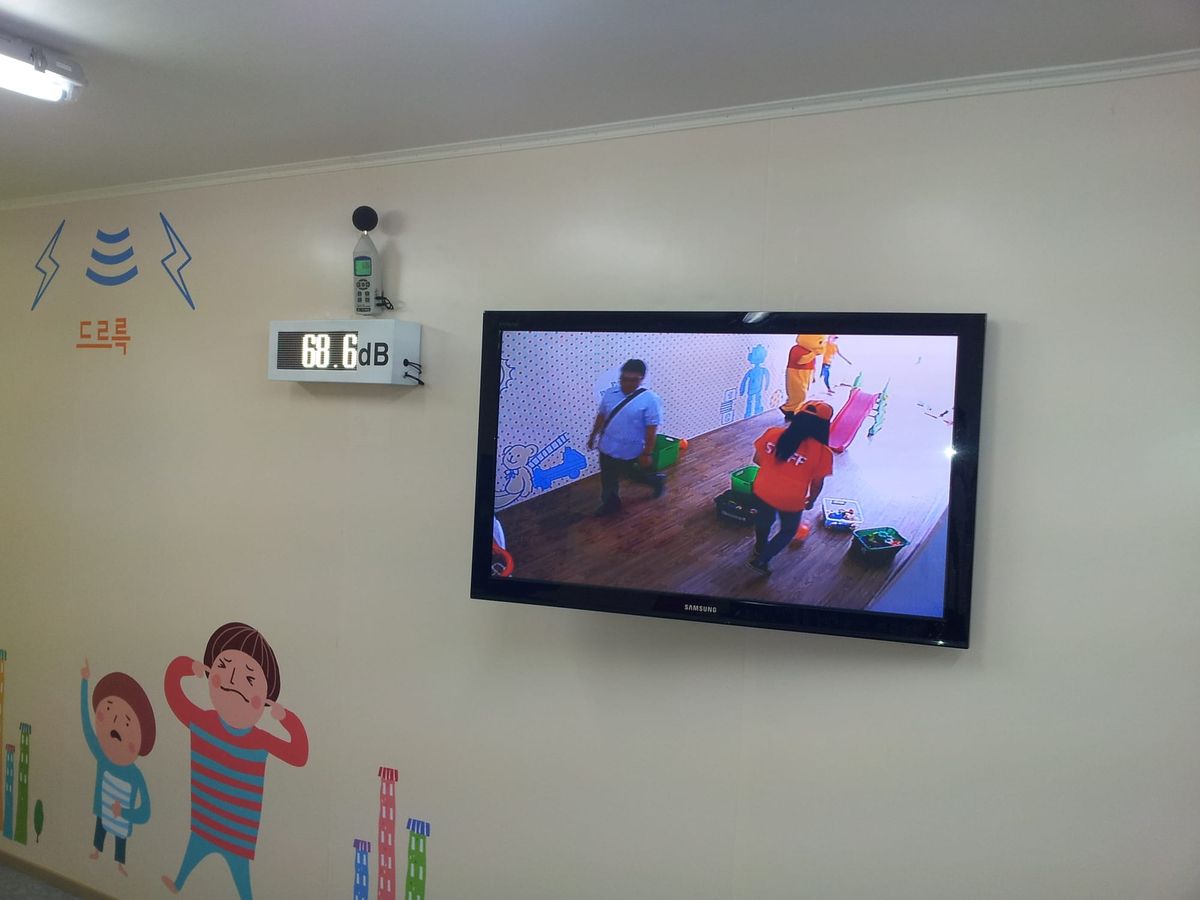
"The upstairs neighbor won't open the door."
"Our apartment noise management committee tried to visit, but the resident refused to speak with them."
"Does this mean there is nothing more we can do about the noise?"
These situations can occur when apartment management teams or resident committees attempt to resolve disputes over footsteps, furniture movement, or other household noise.
The resident who reported the noise may expect immediate action. Meanwhile, the household receiving the complaint may feel uncomfortable, unfairly accused, or reluctant to participate.
The important principle is simple: Respect the resident's decision while continuing to look for practical ways to reduce the conflict.
Here are three approaches apartment noise management committees can use.
1. Do Not Repeatedly Visit or Pressure the Resident
Imagine that committee members visit an apartment after receiving a noise complaint, but nobody opens the door.
Repeatedly ringing the doorbell or returning without an agreed appointment may make the situation worse.
The household may feel that it has already been identified as responsible for the noise, even though the source has not been confirmed.
This is particularly important because sounds in apartment buildings do not always originate directly above the affected household.
Impact noise can travel through floors, walls, and other structural elements.
Refusing a consultation is not evidence that a household caused the noise.
If the resident declines to meet, committee members should document the attempted contact and avoid unnecessary repeated visits.
A simple record might include:
- Date and time of the attempted visit
- Method of contact
- Whether a conversation took place
- Any agreed next steps
The purpose of this record is to maintain a clear history of the committee's actions, not to portray the resident as uncooperative.
2. Try a Polite Written Notice Instead
Some residents may be uncomfortable with face-to-face discussions but willing to read a short written message.
In such cases, a polite notice may be more effective than another visit.
The notice should avoid accusations, threats, or statements that assume the household is responsible.
For example:
Hello,
This is the Apartment Noise Management Committee.
We recently received a report of household noise affecting a nearby apartment.
The source of the noise has not been confirmed. However, we would appreciate everyone's consideration in reducing unnecessary impact noise, particularly during late evening hours.
Thank you for helping maintain a comfortable living environment for all residents.
This approach communicates the concern without demanding an admission of responsibility.
Depending on the apartment's procedures, the committee may also offer a telephone consultation or another voluntary method of communication.
Written notices should be delivered in a way that respects residents' privacy.
The goal is not to make someone admit fault. It is to encourage practical changes that may reduce the disturbance.
3. Explain the Situation and Next Steps to the Complainant
When the other household refuses a consultation, the resident who reported the noise may feel that the committee has failed.
This is why clear communication is essential.
Instead of simply saying, "The neighbor refused to cooperate," the committee can explain what has happened and what it plans to do next.
For example:
"We attempted to arrange a consultation, but a meeting has not taken place. We will respect the resident's decision and consider another appropriate way to communicate the noise concern. We will also review any new incidents and determine whether further action is needed."
The committee should distinguish between actions it can take and outcomes it cannot guarantee.
It may be able to:
- Record and review reported noise incidents
- Request voluntary cooperation
- Provide general noise-reduction guidance
- Arrange follow-up consultations when appropriate
- Explain available external support services
However, it should not promise that it can force a resident to participate in a consultation or guarantee that the noise will stop.
The complainant can also be encouraged to keep a simple record of the date, time, type, and duration of future noise incidents.
If the problem continues, the committee may consider referring the resident to an appropriate external organization.
In South Korea, the Neighbor Noise Center (층간소음 이웃사이센터) provides consultation and support for eligible residential noise complaints.
Contact: 1661-2642
The availability of services and the steps involved depend on the circumstances of each case.
Residents in other countries may be able to seek assistance through local housing authorities, property management organizations, community mediation services, or qualified acoustic specialists.
External assistance does not guarantee a resolution, particularly when participation by another household is necessary.
HCRI's Practical Advice: A Refused Meeting Is Not the End of the Process
The Housing Culture Improvement Research Institute (HCRI) emphasizes that apartment noise committees should not approach a household as though its responsibility has already been established.
This is especially important when the reported noise source remains uncertain.
A resident may refuse a consultation for several reasons.
The proposed visit may be inconvenient. The resident may be uncomfortable discussing a complaint with committee members. Or the household may believe that it has been unfairly accused.
Rather than interpreting every refusal as deliberate non-cooperation, committees should consider whether another voluntary communication method is appropriate.
A short written notice, a scheduled telephone conversation, or a general reminder about reducing household noise may be more constructive than repeated visits.
At the same time, the committee should continue supporting the complainant through clear records, practical guidance, and an agreed follow-up process.
Even when a face-to-face consultation is not possible, the committee can still help manage the dispute without increasing tension between neighbors.
Conclusion: Respect Boundaries and Keep Communication Open
When an upstairs neighbor refuses to meet an apartment noise management committee, the committee should remember three principles.
1. Do not repeatedly visit or pressure the household into a consultation.
2. Consider polite written notices or other voluntary communication methods.
3. Explain the actions taken and the next steps to the resident who reported the noise.
The purpose of an Apartment Noise Management Committee is not to force residents into a meeting. It is to find respectful, practical ways to reduce noise-related conflict while protecting the interests of everyone involved.
A refused consultation may limit the committee's immediate options, but it does not prevent the committee from documenting the complaint, providing guidance, and reviewing appropriate next steps.
Housing Culture Improvement Research Institute (HCRI)
Education, consultation, and practical support for apartment noise management committees and residential noise disputes.