Election Campaign Noise: Do Residents Really Have to Endure It? Korea vs. Other Countries – What Is the Right Balance?
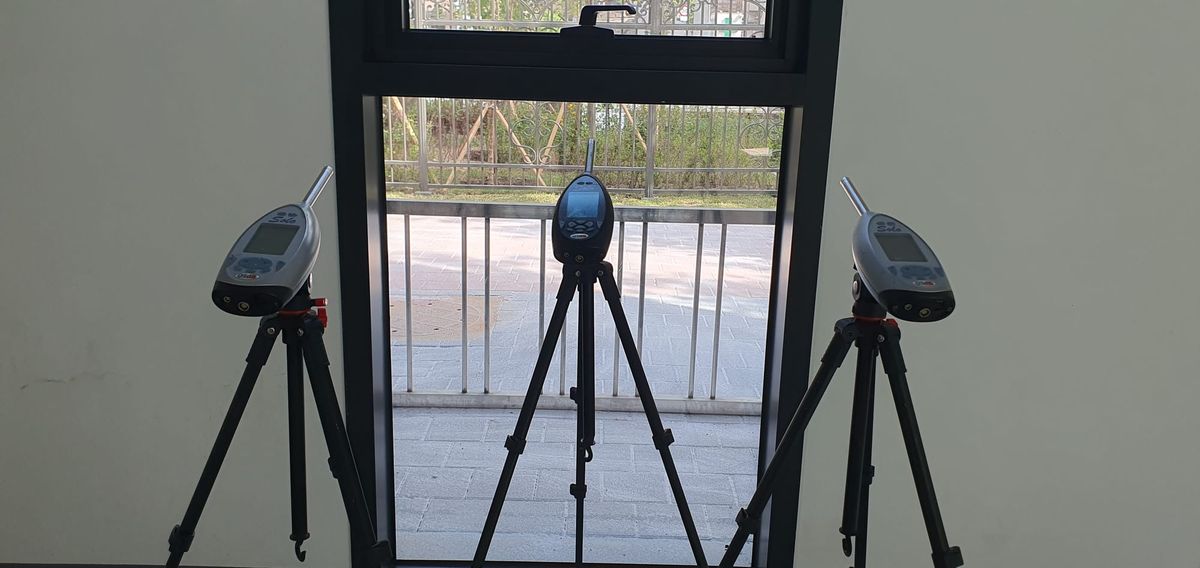
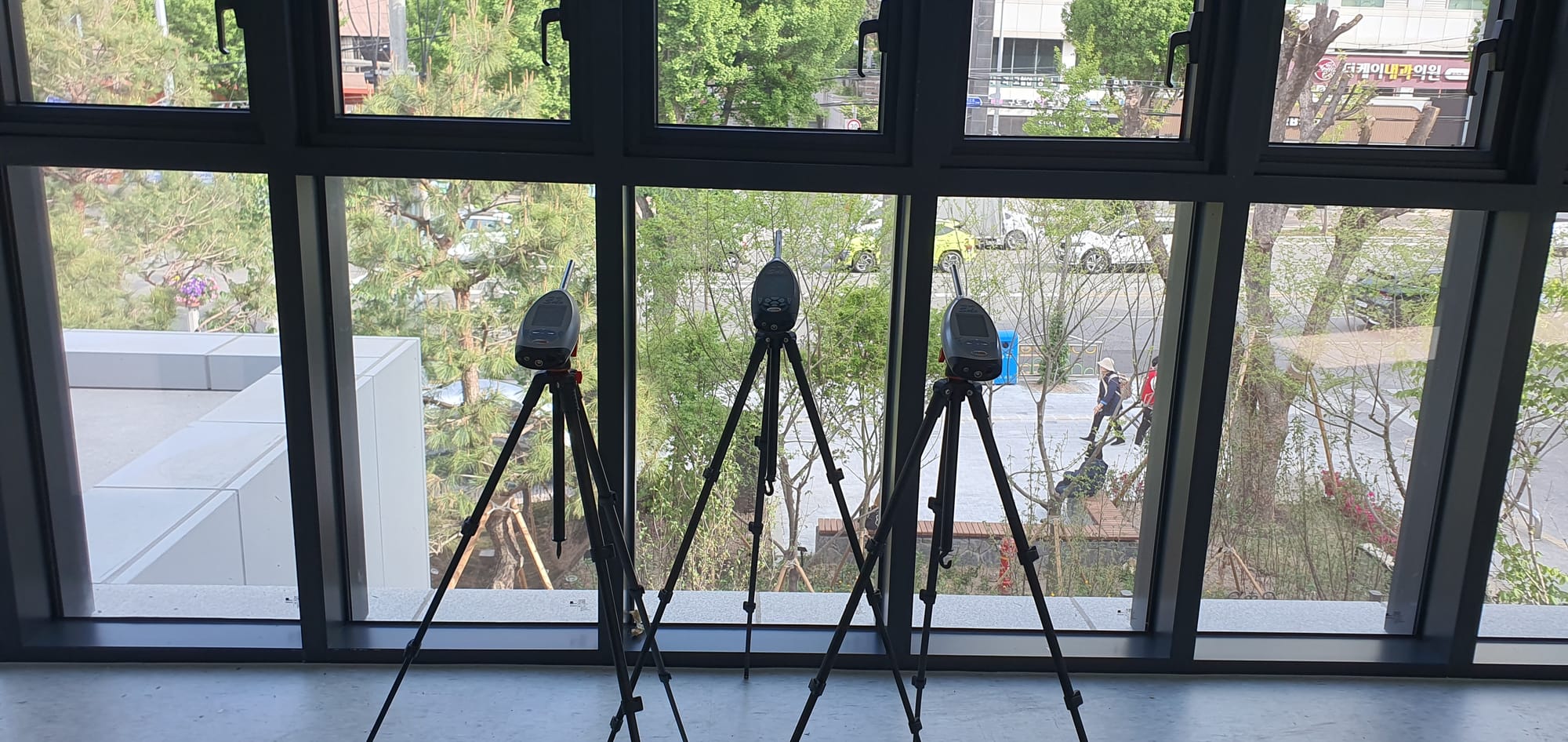
📌 "Democracy Is Important, But Does It Have to Be This Loud?"
Every election season, the same scene appears.
🎵 Campaign songs
📢 Candidate speeches
🚚 Loudspeaker trucks
For some people, these are campaign messages.
For others, they are a source of daily stress.
Especially for:
- people working from home
- students preparing for exams
- families with infants
- pregnant women
- elderly residents
campaign noise can become a serious quality-of-life issue.
❓ What Do You Think?
Poll #1
Election campaign noise is:
- A necessary inconvenience for democracy
- An excessive form of noise pollution
Poll #2
If a campaign truck passed your apartment ten times a day:
- I could tolerate it
- I would file a complaint
🇰🇷 What Are Korea's Rules?
Many people are surprised to learn that:
👉 Campaign loudspeakers are generally legal.
Campaign activities are typically permitted between:
🕖 7:00 AM – 11:00 PM
Within those hours, loudspeaker use is generally allowed under election regulations.
That means:
Just because something is loud does not automatically make it illegal.
However, complaints may be justified when:
✔ volume is excessive
✔ vehicles repeatedly circle the same area
✔ noise heavily affects hospitals, schools, or residential zones
✔ broadcasting occurs outside legal hours
🌎 How Do Other Countries Handle Campaign Noise?
🇯🇵 Japan
Japan also uses campaign vehicles.
However, high-volume music and repeated campaign songs are generally less common than in Korea.
Candidates often focus on repeating their names and brief messages.
🇺🇸 United States
Campaigns rely more heavily on:
- television advertising
- online marketing
- social media
Repeated loudspeaker vehicles in residential neighborhoods are relatively uncommon.
🇩🇪 Germany
Germany focuses more on:
- campaign posters
- public meetings
- direct voter outreach
The country maintains strict social expectations regarding residential noise.
😲 A Shocking Real-Life Incident
Election noise has occasionally led to extreme reactions.
In Daegu, a man in his 50s became so frustrated by campaign noise that he damaged a campaign vehicle with a pickaxe and was investigated by police.
🚨 Why Do People React So Strongly?
Many residents say:
"It's not the noise itself. It's the repetition."
The stress becomes worse when noise repeatedly interrupts:
- work
- study
- sleep
- childcare
📌 The Most Effective Response
Step 1
Contact the National Election Commission.
This is the primary official complaint channel.
Step 2
Contact local government offices.
Repeated noise complaints may also be submitted through city or district offices.
Step 3
Avoid direct confrontation.
Political disagreements can quickly escalate conflicts.
🤔 What Does the Housing Culture Improvement Institute Think?
This issue is not simply about being:
- pro-election
- anti-election
The real question is:
How do we balance democratic participation and residents' right to a peaceful living environment?
Special consideration should be given to:
- infants
- pregnant women
- patients
- elderly residents
who may be particularly vulnerable to noise.
🏢 About the Housing Culture Improvement Institute
The Housing Culture Improvement Institute researches:
- apartment noise
- construction noise
- election campaign noise
- low-frequency noise
- resident conflicts
The Institute focuses on helping residents move from simply "enduring" problems to documenting and solving them.
🎁 NS Point Community
Community members can earn points through comments and experience sharing.
🌱 NS Seed (0–1,000P)
🛡️ NS Guardian (1,000–5,000P)
🔧 NS Solver (5,000–10,000P)
👑 NS Master (10,000P+)
Members receive expert resources and community benefits.
📌 Final Question
What do you think?
Should election campaign noise be viewed as:
👉 a necessary inconvenience for democracy?
Or
👉 a type of noise that should be better regulated to protect residents?