What Does a Floor Noise Committee Actually Investigate? The Questions Asked During Apartment Noise Consultations
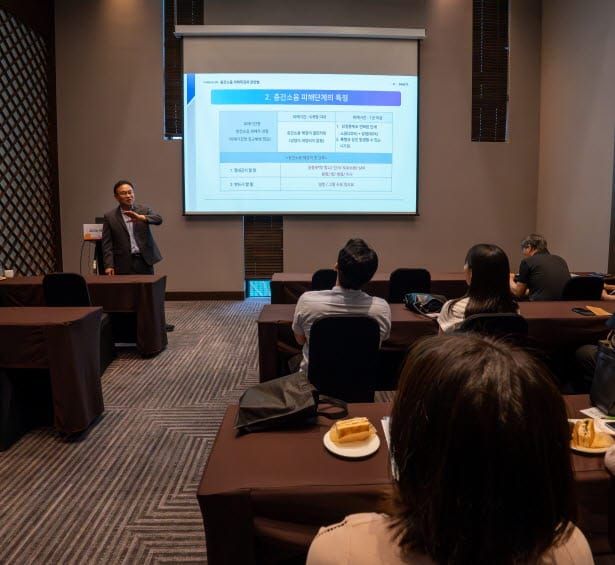
Most people assume that a floor noise committee begins by measuring sound levels.
In reality, consultation often starts with people, not noise.
According to apartment noise consultation guidelines, investigators first seek to understand the resident's experience before evaluating technical issues.
Questions Asked to the Complainant
Consultants typically review:
- Duration of the noise problem
- Type of noise experienced
- Daily living patterns
- Sleep disturbance
- Stress and emotional impact
- Medical treatment or medication
- Whether relocation has been considered
The purpose is to understand how the noise affects daily life.
Questions Asked to the Neighbor
The committee also interviews the resident accused of creating the noise.
Topics may include:
- Household lifestyle patterns
- Awareness of the noise complaint
- Willingness to reduce noise
- Previous communication with neighbors
Interestingly, some residents report stress caused by repeated complaints and confrontations.
The Real Goal of Consultation
Many people expect the committee to determine who is right and who is wrong.
However, the primary goal is often conflict resolution rather than fault finding.
Consultation focuses on:
- communication
- understanding
- mediation
- practical noise reduction measures
before escalating disputes.
Key Takeaways
| Category | Focus Area |
|---|---|
| Complainant | Noise impact and quality of life |
| Neighbor | Lifestyle and response to complaints |
| Committee | Conflict management |
| Primary Goal | Resolution before escalation |
Why This Matters
Apartment noise disputes rarely involve sound alone.
They often involve stress, misunderstanding, frustration, and failed communication.
Successful mediation begins with understanding both sides of the story.
About the Housing Culture Research Institute
The Housing Culture Research Institute researches:
- apartment noise disputes
- mediation systems
- residential conflict management
- housing culture improvement
to promote healthier and more sustainable residential communities.