Air Conditioner Noise Complaints in Apartments Understanding Building Equipment Noise Standards in Korea
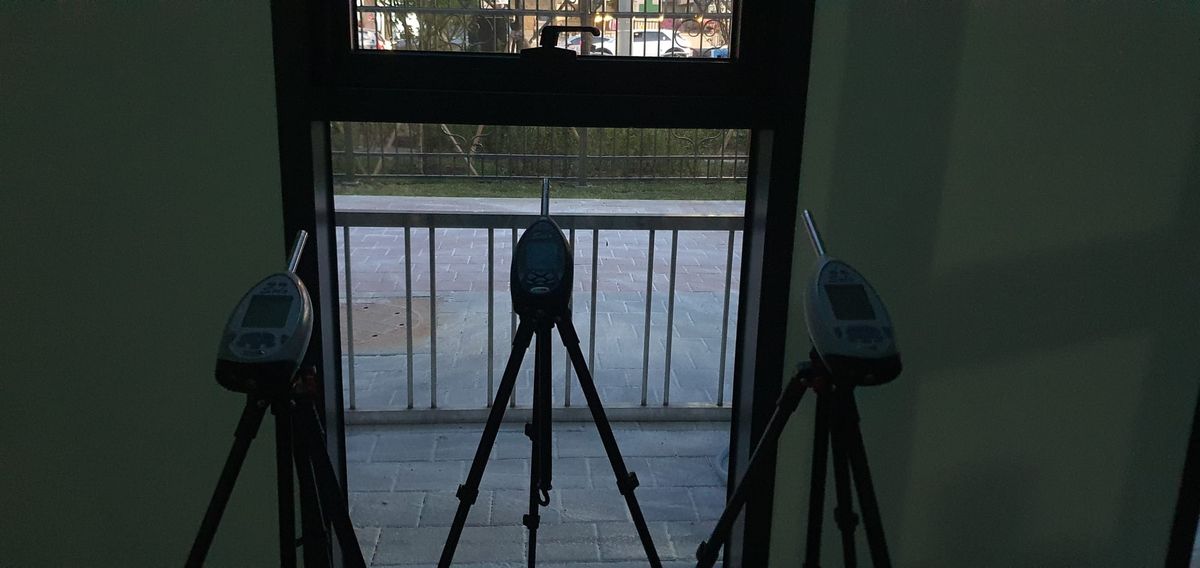
Every summer, apartment management offices receive a surge of complaints about air conditioners.
Many residents assume these complaints involve outdoor construction noise.
In reality, air-conditioning systems are usually evaluated under building equipment noise standards.
Why Air Conditioner Noise Is Different
Air conditioners create two separate problems:
Noise
The audible sound produced by compressors and fans.
Vibration
Mechanical vibration transmitted through:
- walls
- slabs
- piping systems
In many cases, residents are disturbed more by vibration than by sound itself.
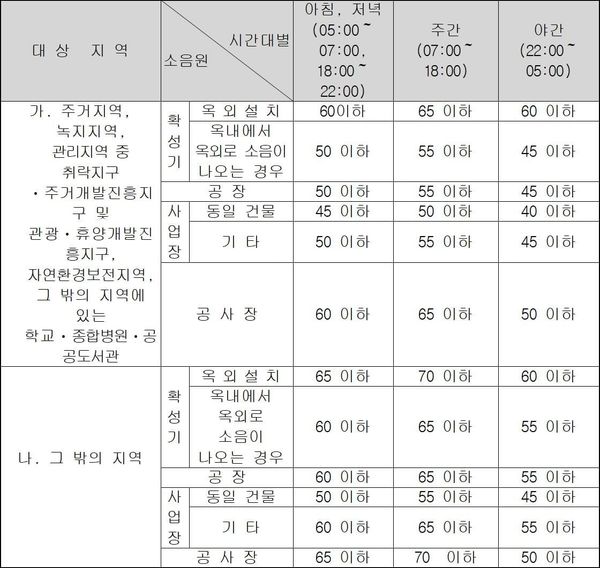
Building Equipment Noise Standards
For equipment operating within the same building:
Area A
- Morning and evening: 45 dB
- Daytime: 50 dB
- Nighttime: 40 dB
Area B
- Morning and evening: 50 dB
- Daytime: 55 dB
- Nighttime: 45 dB
Why Nighttime Complaints Increase
At night:
- background noise decreases
- people are sleeping
- low-frequency sounds become more noticeable
Residents often describe the experience as:
"A constant humming sound."
"It feels like someone is hitting the wall."
"The vibration keeps me awake."
Common Sources of Equipment Noise
- air conditioner outdoor units
- HVAC systems
- rooftop cooling equipment
- ventilation fans
- mechanical rooms
Effective Solutions
Before measuring sound levels, experts often inspect:
- installation condition
- vibration isolation pads
- pipe connections
- equipment mounting systems
In many cases, vibration control is more effective than simply reducing sound.
Key Takeaways
- Equipment noise is regulated differently from construction noise.
- Air-conditioning systems create both noise and vibration.
- Nighttime complaints are common due to reduced background noise.
- Proper installation and vibration control are critical.
About the Housing Culture Research Institute (Korea)
The Housing Culture Research Institute researches apartment equipment noise, low-frequency vibration, construction impacts, and residential environmental disputes throughout Korea.