Apartment Noise Management Committee Case Study No One Was Home, Yet the Noise Complaints Continued
Apartment Noise Management Committee Case Study No One Was Home, Yet the Noise Complaints Continued
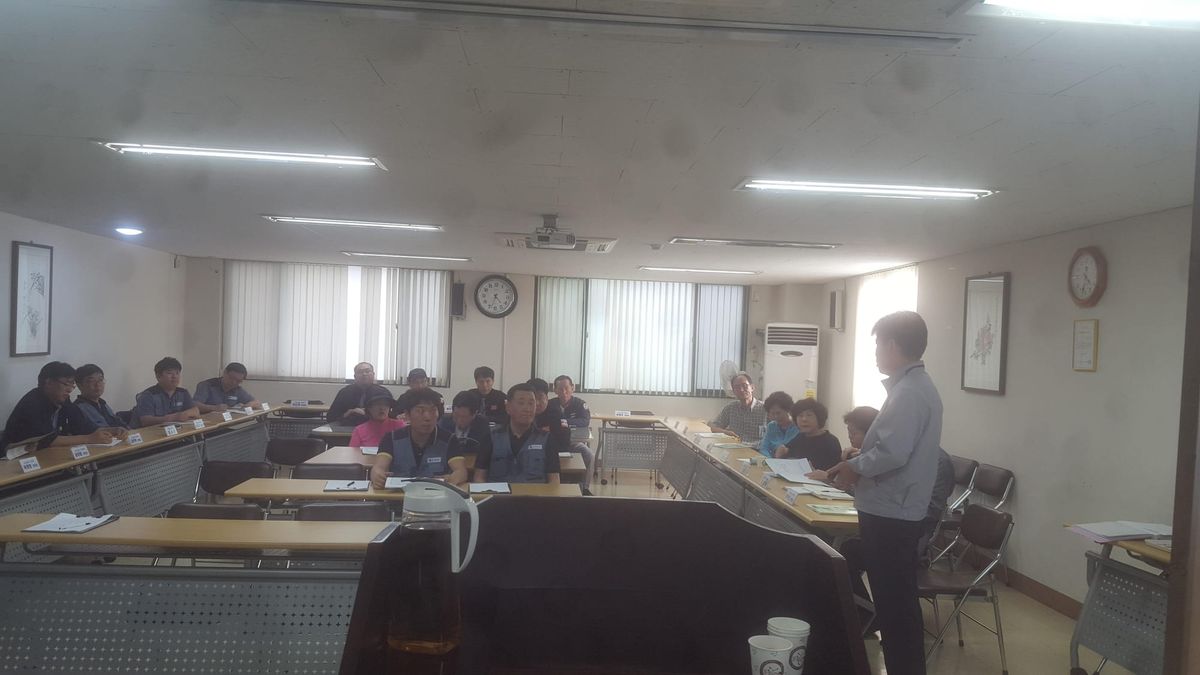
How an Apartment Noise Management Committee Should Handle the Investigation
When apartment noise complaints are reported, most management offices follow the same routine.
They contact the upstairs resident.
They ask both households to meet.
They encourage each side to understand the other's position.
At first glance, this seems fair.
However, after more than 25 years of investigating apartment noise disputes, one lesson has become clear.
Many disputes fail because mediation begins before the actual source of the noise is investigated.
A Real Case from an Apartment Complex
In one newly built apartment complex, the downstairs resident repeatedly reported heavy impact noise.
According to the complaint,
- footsteps continued throughout the day,
- loud banging noises were heard at night,
- the bedroom ceiling constantly vibrated.
The upstairs family did everything they could.
They instructed their children to avoid running indoors.
They even borrowed money to install premium impact-noise floor mats throughout the living room, hallway, and bedrooms.
Yet the complaints continued.
Even more surprising,
the downstairs resident reported the same noises while the upstairs family was completely away from home.
This is not an unusual situation.
It is a type of case experienced Apartment Noise Management Committees encounter more often than many people realize.
The First Mistake Many Committees Make
Many Apartment Noise Management Committees immediately assume that the upstairs unit is responsible.
As a result,
they begin mediation before confirming the actual source.
This often creates two new problems.
The complainant feels that no one has verified the damage.
The upstairs resident feels unfairly blamed.
Neither side trusts the committee anymore.
Investigation Must Begin with the Complainant
At the Housing Culture Research Institute, we believe that every investigation should begin inside the complainant's apartment.
Before identifying a possible source, the committee should determine:
- Which room experiences the strongest noise?
- Is the sound an impact noise or a low-frequency hum?
- Is vibration felt together with the sound?
- Does the vibration occur near the ceiling or near the floor?
- Does the reported time match the activity of the suspected apartment?
The committee should investigate the damage first—not the suspect.
This approach significantly improves the accuracy of the investigation.
A Simple Field Technique: Touch the Wall
One practical method used during field investigations is surprisingly simple.
When the complainant hears the noise,
the investigator gently places a hand on the wall, especially near the ceiling.
This provides valuable clues.
If both sound and vibration are present
The impact noise is likely being transmitted directly from the apartment above.
If sound is present but vibration is weak
The committee should not focus only on the upstairs unit.
The investigation should expand to include:
- the apartment two floors above,
- diagonal upper units,
- neighboring apartments.
In reinforced concrete buildings,
sound often travels through structural elements rather than directly downward.
If vibration is strongest near the floor
The source may not be footstep noise at all.
Plumbing,
water hammer,
mechanical equipment,
or other building systems should also be investigated.
How the Apartment Noise Management Committee Should Have Responded
Based on this case,
the proper investigation sequence would have been:
- Confirm the complainant's actual living environment.
- Check wall vibration while the noise is occurring.
- Verify whether anyone is actually inside the upstairs apartment.
- If the apartment is empty, expand the investigation to surrounding units.
- Examine plumbing systems, mechanical equipment, and other structural vibration sources.
This systematic process reduces unnecessary conflict and greatly increases the chance of identifying the real source of the noise.
Practical Note from the Housing Culture Research Institute
One of the biggest misconceptions about apartment noise mediation is that the committee's job is simply to remain neutral.
In reality,
professional investigation always comes before mediation.
The committee must first understand the complainant's experience,
trace the transmission path of sound and vibration,
and identify the most likely source.
Only then can meaningful mediation begin.
This approach protects innocent residents,
builds trust,
and leads to more effective dispute resolution.
Conclusion
Apartment noise disputes should never begin by deciding who is guilty.
They should begin by understanding how the sound travels through the building.
That is the foundation of professional apartment noise investigation.
And that is the role of an effective Apartment Noise Management Committee.
About Housing Culture Research Institute
The Housing Culture Research Institute (HCRI) specializes in apartment noise investigations, Apartment Noise Management Committee consulting, construction noise, low-frequency noise, vibration analysis, residential conflict resolution, and environmental dispute consulting based on more than 25 years of field experience.