Can AI Identify the Real Source of Apartment Noise? Why Human Investigation Still Matters in the Age of Artificial Intelligence
AI apartment noise Apartment noise investigation Artificial Intelligence noise analysis Apartment Noise Management Committee Apartment noise disputes Impact noise
Artificial Intelligence is transforming almost every aspect of our daily lives.
Today, many apartment residents ask AI platforms like ChatGPT, Gemini, or Claude questions such as:
"My upstairs neighbor makes loud noises every night. What should I do?"
"Can AI determine whether this is impact noise or low-frequency noise?"
"Can AI identify which apartment is actually causing the noise?"
AI provides instant answers.
But can it truly identify the real source of apartment noise?
The answer is not yet.
While AI has become remarkably good at analyzing sounds, identifying where the sound actually originates inside a residential building remains one of the biggest challenges.
What AI Can Already Do
Modern AI systems can analyze audio recordings with impressive accuracy.
They can often distinguish between:
- Footsteps
- Furniture dragging
- Children's running
- Door slamming
- Dog barking
- Low-frequency humming
AI can also detect repetitive sound patterns, estimate dominant frequencies, and classify different types of environmental noise.
In the near future, smartphones and smart home devices will likely use AI to monitor residential noise automatically.
This technology has enormous potential.
However, identifying a sound is very different from identifying its source.
Apartment Buildings Create a Much More Complex Problem
Apartment noise is not simply an audio issue.
It is a structural transmission issue.
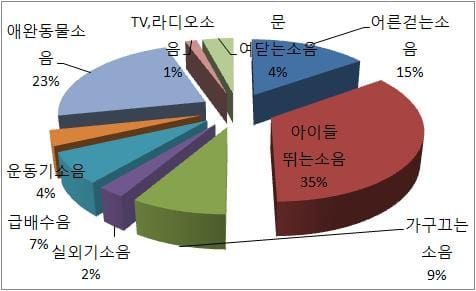
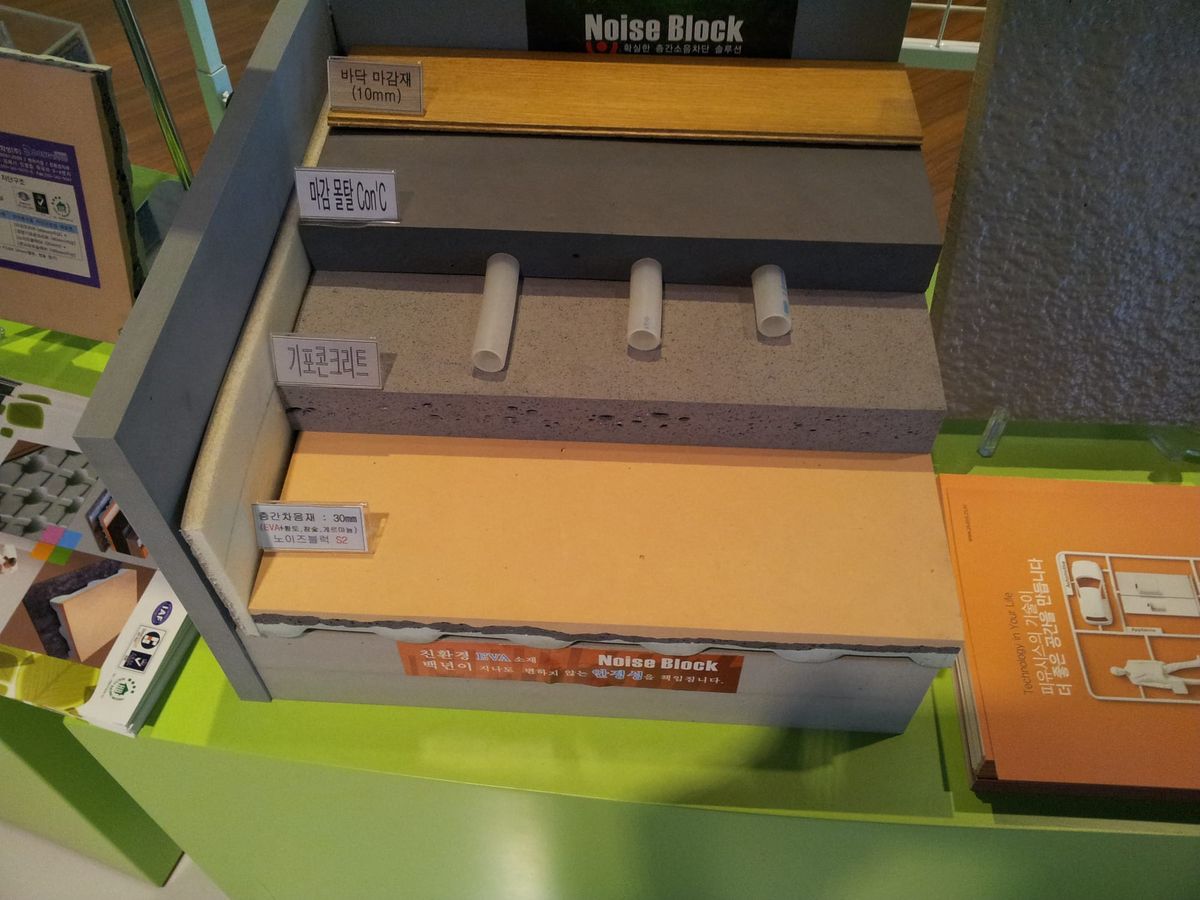
In reinforced concrete apartment buildings, impact noise travels through floor slabs, walls, columns, plumbing systems, and structural connections.
As a result, residents often hear noise coming from a direction that is different from its actual source.
For example, a loud impact noise may actually originate from:
- the apartment directly above,
- two floors above,
- a diagonal apartment,
- mechanical equipment,
- plumbing systems,
- water hammer,
- or even nearby construction activities producing low-frequency vibration.
An AI system analyzing only an audio recording cannot reliably determine which of these sources is responsible.
A Real Field Case
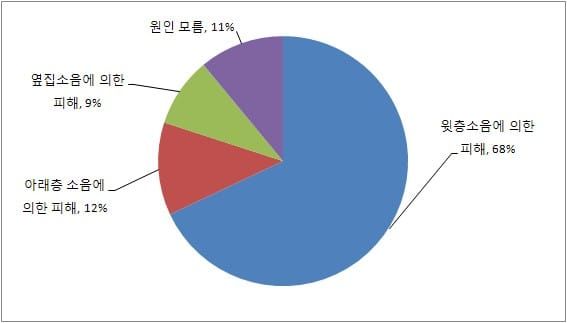
The Housing Culture Research Institute investigated a residential dispute where the downstairs resident repeatedly reported heavy impact noise.
The upstairs family responded responsibly.
They instructed their children not to run indoors.
They installed premium impact-noise flooring throughout the apartment.
Despite these efforts, the complaints continued.
The most surprising discovery came later.
Noise complaints continued even when nobody was inside the upstairs apartment.
Had AI analyzed only the recorded sound, it would probably have classified it as impact noise.
However, field investigation suggested that the real source might involve structural transmission, another apartment, plumbing vibration, or building equipment.
This illustrates one important lesson:
Audio analysis alone is not enough.
Professional field investigation remains essential.
AI Should Assist Experts—Not Replace Them
Artificial Intelligence will undoubtedly become an important tool for apartment noise management.
AI can help by:
- analyzing recorded sounds,
- identifying repetitive patterns,
- organizing complaint records,
- generating investigation reports,
- assisting Apartment Noise Management Committees.
These capabilities can save significant time and improve administrative efficiency.
However, AI cannot replace essential field investigation.
Professional investigators still need to:
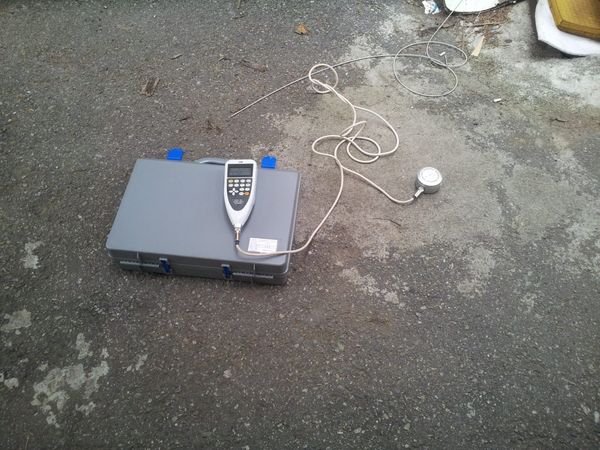
- inspect the complainant's apartment,
- identify where noise is strongest,
- evaluate wall and floor vibration,
- examine structural sound transmission,
- inspect plumbing systems,
- investigate neighboring apartments when necessary.
Only after combining these observations can investigators determine the most likely source of the noise.
Practical Note from the Housing Culture Research Institute
After more than 25 years of investigating apartment noise disputes, one conclusion remains unchanged.
Artificial Intelligence is an excellent analytical tool, but apartment noise cannot be solved through algorithms alone.
Successful investigations require both technology and human expertise.
The future of apartment noise management is not AI replacing professionals.
The future is AI supporting experienced investigators with better information and faster analysis.
This collaboration will improve both accuracy and fairness in residential dispute resolution.
Conclusion
Can AI identify the source of apartment noise?
It can identify sounds.
It cannot always identify where those sounds truly originate.
Apartment noise is influenced by building structures, vibration paths, plumbing systems, neighboring units, and many other factors that require on-site investigation.
The most effective solution combines:
- Artificial Intelligence
- Professional field investigation
- Structural understanding
- Practical experience
That combination represents the future of apartment noise management.
About the Housing Culture Research Institute
The Housing Culture Research Institute (HCRI) specializes in apartment noise investigations, Apartment Noise Management Committee consulting, construction noise, vibration analysis, low-frequency noise, and residential dispute resolution. With more than 25 years of field experience, HCRI provides practical solutions based on real-world investigations rather than assumptions.