Construction Damage Compensation: How to Use Past Environmental Dispute Cases in Negotiations Learning from Real Construction Damage Compensation Cases ⑤
How can apartment residents use previous environmental dispute cases when negotiating construction damage compensation? Learn why separation distance, construction conditions, affected areas, and exposure duration matter more than simply copying past compensation amounts.
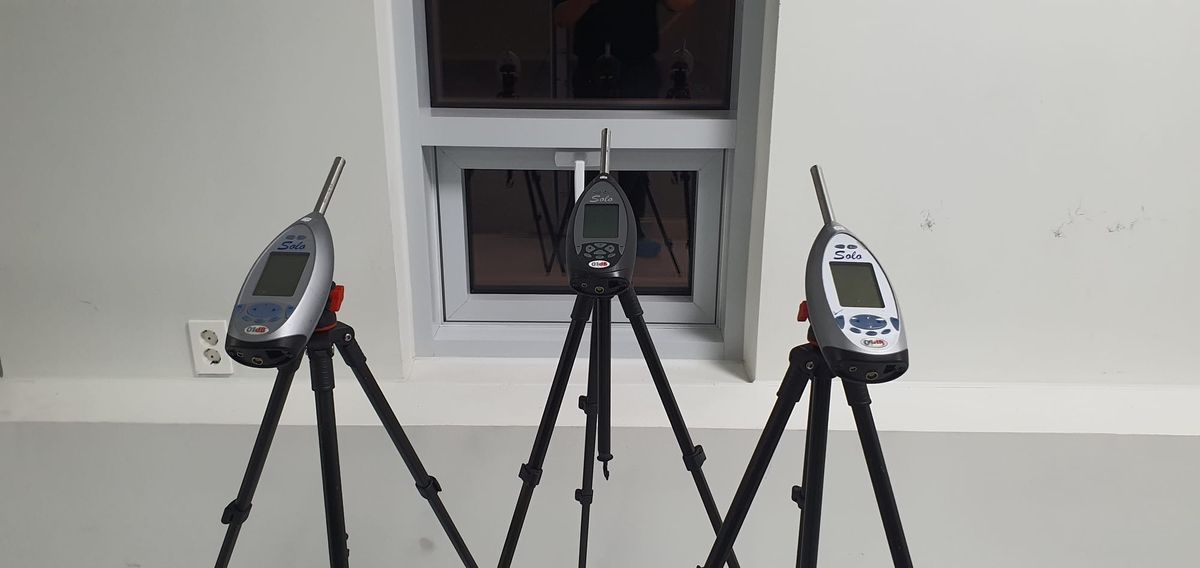
When construction begins near an apartment complex, residents may experience noise, vibration, and other disturbances.
As compensation negotiations begin, two important questions often arise:
“Which apartment buildings should be included in the affected area?”
“How much compensation should residents request from the contractor?”
One useful reference is past environmental dispute resolution cases.
In South Korea, environmental dispute resolution bodies have handled claims involving construction noise, vibration, and other environmental impacts.
These cases can provide useful benchmarks when negotiating with construction companies.
However, past compensation amounts should not be applied automatically to a new construction project.
1. Why Are Past Environmental Dispute Cases Useful?
Construction damage compensation negotiations require a reasonable basis for identifying affected residents and discussing compensation amounts.
Previous environmental dispute cases can help establish that basis.
For example, if a past case involved construction noise affecting nearby apartments, it may provide information about:
- The distance between the construction site and affected apartments
- Assessed construction noise levels
- The area considered affected
- The duration of noise exposure
- The compensation awarded or agreed upon
The most important point is not simply how much compensation was paid.
It is understanding the conditions under which the damage was recognized.
A past case becomes more useful when its construction conditions are comparable to those of the current project.
2. Start by Comparing the Distance from the Construction Site
One of the most important factors in construction damage assessment is separation distance.
This means the distance between the construction site and nearby residential buildings.
For example, suppose a previous environmental dispute case recognized noise damage to apartments located near a construction project.
If another apartment complex is located at a similar distance from a comparable construction site, the previous case may provide a useful reference.
However, distance alone is not enough.
Other factors may affect actual noise exposure, including:
Building orientation: Does the apartment face the construction site?
Noise barriers: Are other buildings or structures blocking the noise?
Construction equipment: What machinery is being used?
Construction phase: Is the project undergoing demolition, excavation, foundation work, or finishing work?
Two apartment buildings at the same distance from a construction site may experience different levels of noise and vibration.
Therefore, separation distance should be considered together with the actual construction conditions.
3. Can Residents Request the Same Compensation as a Previous Case?
Not automatically.
Suppose residents in a previous environmental dispute case received a particular compensation amount.
That amount does not necessarily apply to another apartment complex.
The two cases may differ in several important ways:
- Construction duration
- Noise and vibration exposure
- Distance and building layout
- Actual residence period
- Construction methods and equipment
A more reasonable approach is to compare the circumstances of both cases before discussing compensation.
A Practical Comparison Process
Step 1. Find a comparable environmental dispute case.
↓
Step 2. Compare the distance between the construction site and the apartments.
↓
Step 3. Review assessed noise levels and construction conditions.
↓
Step 4. Compare the affected area and exposure duration.
↓
Step 5. Use the findings as supporting evidence in compensation negotiations.
This process can help residents explain why certain buildings or households should be considered when discussing compensation.
However, previous environmental dispute decisions are reference materials, not automatic compensation formulas or guarantees of identical outcomes.
4. HCRI's Approach to Construction Damage Negotiations
The Housing Culture Improvement Research Institute (HCRI) emphasizes that past environmental dispute cases should be examined for the conditions under which damage was recognized, rather than compensation amounts alone.
Important factors include:
Separation Distance + Building Location + Construction Phase + Noise Exposure Duration
For example, residents living in different buildings within the same apartment complex may experience different construction impacts.
A building directly facing the construction site may have different exposure conditions from one located farther away or shielded by other structures.
Therefore, before negotiating with a contractor, it is important to examine both the previous dispute case and the actual conditions of the current construction project.
A well-supported compensation request should explain how the current situation compares with relevant past cases.
Conclusion: Use Past Cases as Evidence, Not as Fixed Compensation Rules
Past environmental dispute resolution cases can be valuable references when negotiating construction damage compensation.
However, the compensation amount from one case should not simply be copied into another.
Three principles are especially important:
1. Identify comparable construction damage cases.
2. Compare separation distance and actual construction conditions.
3. Consider the affected area and exposure duration when discussing compensation.
The key question is not simply how much compensation was paid in the past, but under what conditions the damage was recognized.
Understanding this difference can help residents approach negotiations with construction companies using more objective and defensible evidence.