Construction Dust Is More Than Just Dirt Why Residents Ask for Window Washing Instead of Compensation
Construction dust affects far more than windows. Fine concrete particles enter homes, reduce indoor air quality, increase cleaning, and affect residents' health.
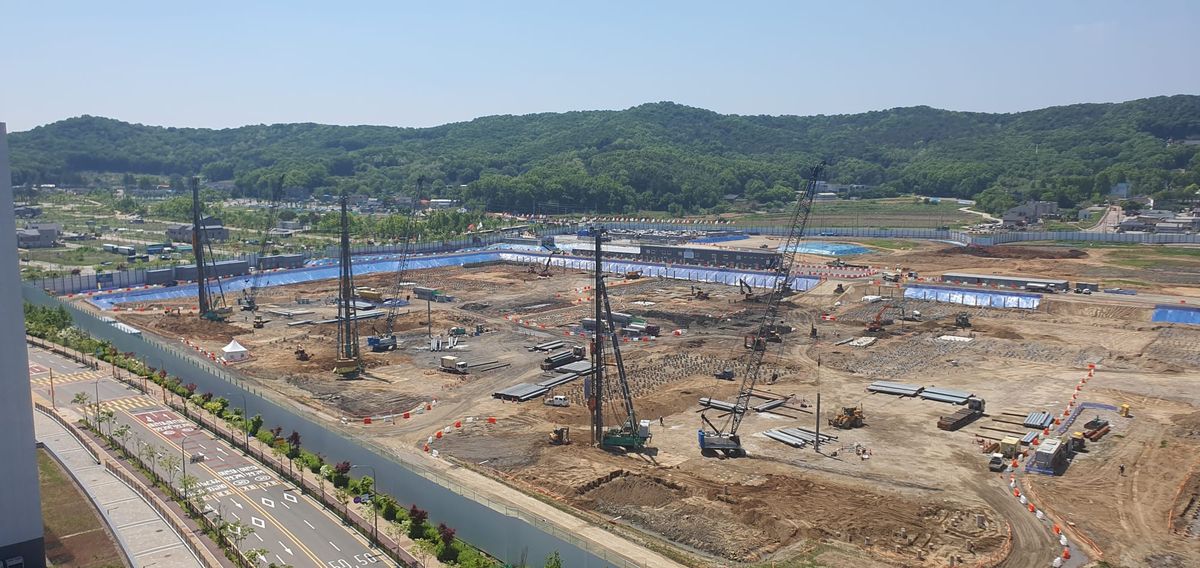
Most large construction companies install dust-control systems.
These often include:
- water sprinklers on temporary noise barriers
- wheel washing facilities
- water trucks
- covered soil piles
These measures certainly reduce dust.
However, residents living next to construction sites often experience a different reality.
Dust Still Reaches Nearby Homes
During structural construction, concrete dust and fine particles travel beyond the construction site.
Residents notice the first signs on their windows.
The glass gradually becomes cloudy.
Even after cleaning, a thin layer of concrete dust returns.
Many residents say:
"We hesitate to invite guests because our windows always look dirty."
This is one of the most common complaints near construction sites.
Dust Changes Everyday Life
Construction dust does not remain outside.
It enters homes through:
- window gaps
- ventilation systems
- entrance doors
Some families report cleaning floors several times each day.
Furniture, electronics, and balconies quickly collect fine dust again.
For many residents, this routine continues for months.
Closed Windows Mean New Health Problems
Because of dust, many families stop opening their windows.
Fresh air is replaced by constant air conditioning.
This creates new concerns.
Infants and elderly residents may experience respiratory discomfort.
People recovering from colds often remain indoors longer.
Electricity bills increase because air conditioners operate throughout the day.
Construction dust therefore affects much more than cleanliness.
It changes how people live inside their own homes.
What Residents Actually Want
Interestingly, most residents do not ask construction companies to stop building.
Instead, they request something much more practical.
Regular washing of apartment buildings and windows.
Scheduled cleaning of:
- apartment windows
- exterior walls
- building entrances
- walkways
- parking areas
can significantly improve residents' quality of life.
Small actions often create much greater satisfaction than residents expect.
Better Dust Management Builds Better Community Relations
Effective dust management involves more than installing equipment.
Construction companies should also consider:
- regular exterior washing
- frequent road cleaning
- proper maintenance of wheel-washing systems
- advance notice before high-dust activities
- continuous communication with nearby residents
Managing dust is not only an environmental responsibility.
It is also part of building trust with the surrounding community.
Practical Note from the Housing Culture Research Institute
Construction dust affects health, comfort, property appearance, and daily routines.
The most successful construction projects combine technical dust control with proactive communication and visible care for nearby residents.
Good environmental management is measured not only by regulations, but also by how residents experience life during construction.
About Housing Culture Research Institute
The Housing Culture Research Institute (HCRI) provides professional consulting on construction noise, dust, vibration, apartment environmental disputes, and residential conflict resolution through more than 25 years of field investigation.