Construction Dust Near Your Home: When Does It Become Compensable? Understanding Korea's Environmental Dispute Compensation Standards
Construction Dust Near Your Home: When Does It Become Compensable? Understanding Korea's Environmental Dispute Compensation Standards
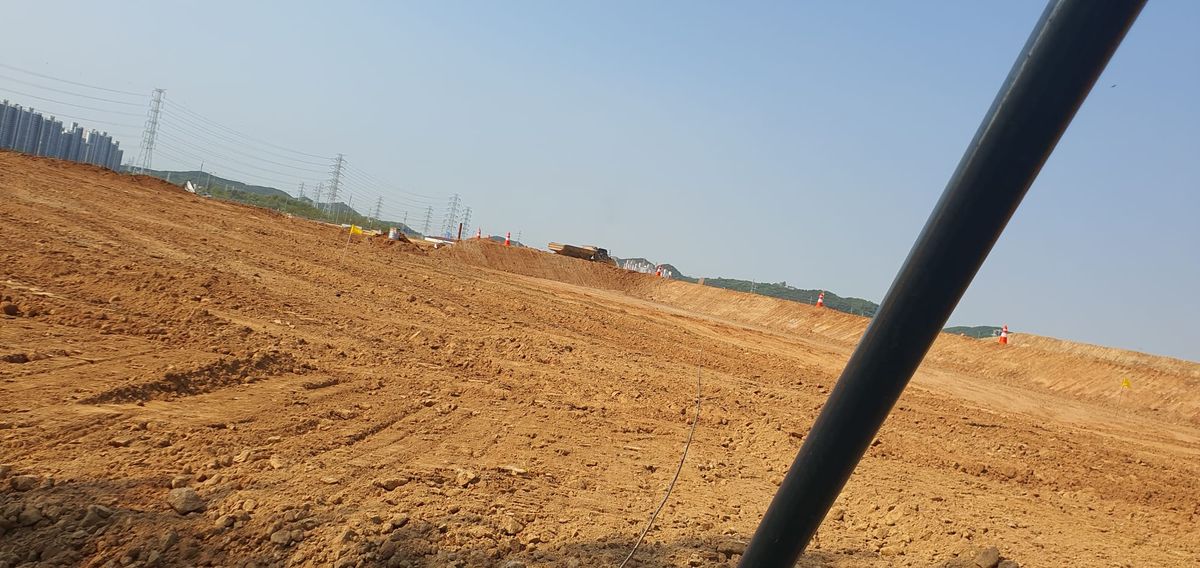
Living next to a construction site often means accepting some inconvenience.
Noise.
Vibration.
Heavy equipment.
Dust.
Most people assume construction dust is simply part of urban development.
But in Korea, excessive construction dust may become an environmental dispute—and in certain cases, residents may even be entitled to compensation.
The key question is not:
"Was there dust?"
The real question is:
"Did the dust exceed what society can reasonably tolerate?"
What Is the "Tolerance Limit"?
Korea's environmental dispute system uses the concept of a tolerance limit.
This means that some level of inconvenience is unavoidable during construction.
However, once dust exceeds an acceptable level and continues affecting daily life, it may be recognized as environmental damage.
This principle is used by Korea's Central Environmental Dispute Resolution Commission when reviewing construction-related claims.
Construction Dust Is Evaluated Differently
Construction sites are generally evaluated using Total Suspended Particles (TSP).
According to Korea's compensation standards, the reference value for construction dust is based on a one-hour average concentration of 200 μg/m³.
This value is not an automatic compensation threshold.
Instead, it serves as one of the important technical references when determining whether residents have experienced excessive environmental impacts.
Dust Is More Than Dirty Windows
Many people think construction dust only creates extra cleaning.
Field experience shows something different.
Residents frequently report:
- dust accumulating on balconies every day
- laundry becoming dirty outdoors
- vehicles covered with fine soil
- dust entering living rooms through windows
- irritation of the eyes and throat
- difficulty ventilating homes
When these conditions continue for months, they become more than an inconvenience.
They become a residential environmental issue.
Compensation Depends on Two Factors
The Korean compensation guideline considers:
1. Dust Concentration
Higher concentrations generally indicate greater environmental impact.
2. Exposure Period
The longer residents remain exposed, the greater the potential damage.
Compensation tables increase gradually from one month of exposure to several years.
In other words,
high dust concentration + long exposure period
creates a stronger basis for environmental damage assessment.
Documentation Is Critical
Unlike noise recordings,
construction dust disappears quickly.
That is why documentation is essential.
Residents should keep records of:
- photographs with dates
- balcony dust accumulation
- vehicle contamination
- outdoor laundry damage
- dust entering indoor spaces
- construction activities
- weather conditions
Consistent documentation often becomes the most valuable evidence.
About the Housing Culture Research Institute (Korea)
The Housing Culture Research Institute researches construction noise, vibration, dust pollution, apartment living, and environmental dispute resolution throughout Korea.
Our mission is to help residents understand environmental damage before disputes become legal conflicts.
Subscribe for practical case studies and environmental dispute insights from Korea.