Construction Noise Compensation: Why the Process Matters More Than Noise Levels
Construction Noise Claims Construction Noise Assessment Environmental Compensation Construction Noise Dispute Construction Site Vibration Noise Investigation Expert Witness
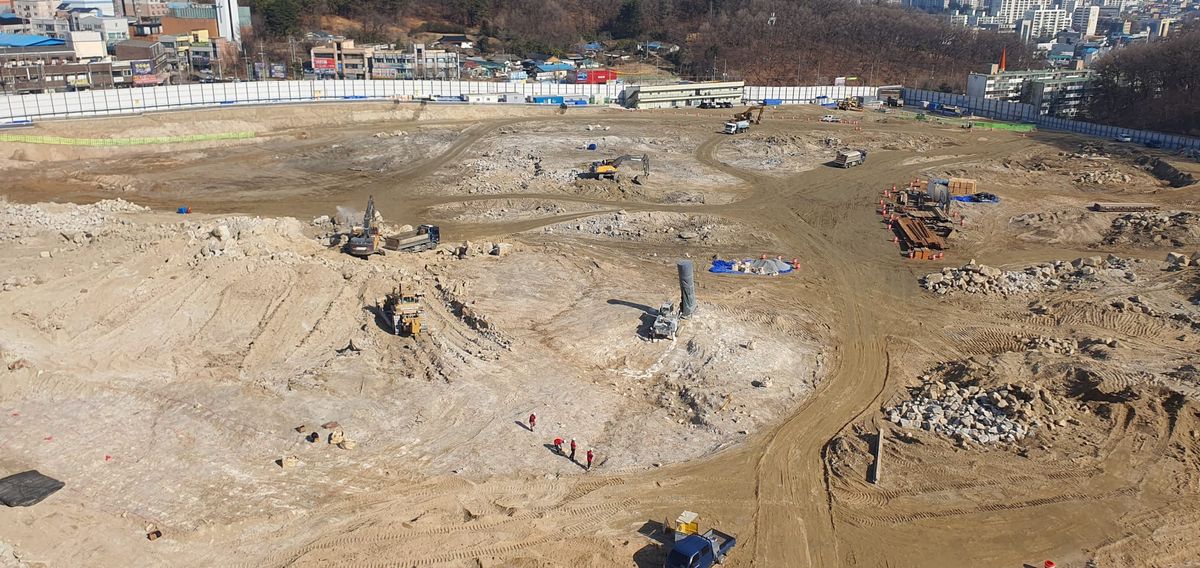
Every week, people contact our institute with nearly the same question.
"The construction noise is unbearable. What should I do?"
At first glance, the answer appears simple.
Search online and you'll find plenty of advice:
- Record the noise.
- Measure the decibel level.
- Take photos.
- File a complaint.
While none of these suggestions are wrong, they rarely reflect what actually happens in the field.
After years of investigating construction noise and vibration disputes, we have found that the greatest challenge is often not the noise itself—but understanding how to respond effectively.
Construction Noise Is a Technical Problem Before It Becomes a Legal One
When people suffer from construction noise, their first instinct is often to prove that the noise exists.
That makes sense.
However, experienced investigators approach the situation differently.
The first questions are usually:
- What type of construction is taking place?
- Which phase of the project is generating the noise?
- Is the primary source excavation, demolition, or structural work?
- How is the sound reaching nearby buildings?
- Can the construction method be modified?
These questions help determine whether meaningful mitigation—or compensation—is realistically possible.
Simply knowing that the site is "loud" is rarely enough.
Why Most Residents Struggle With Documentation
Many articles encourage residents to keep detailed daily records.
In reality, very few people can.
Construction usually takes place during working hours.
Many residents are away at work.
Others are caring for children or elderly family members.
Some only notice the loudest activities for a few minutes each day.
Keeping consistent records under these conditions is difficult.
This is why, in real-world cases, residents often seek professional assistance long before they have complete documentation.
They are not looking for someone to hold a sound meter.
They are looking for someone who understands the entire process.
Measuring Noise Is Only One Piece of the Puzzle
Professional investigations rarely begin with a decibel meter.
Instead, they start with understanding the site itself.
Investigators examine:
Construction Schedule
Which activities are occurring each day?
Equipment Used
Different machines generate different acoustic characteristics.
Site Layout
How close are residential buildings?
Topography
Does the terrain amplify or redirect sound?
Building Structure
Why do some apartments experience greater disturbance than others?
Only after understanding these conditions does noise measurement become meaningful.
Without context, numbers alone cannot explain the full impact.
Compensation Depends on More Than Decibels
Many residents ask:
"Can I receive compensation?"
The honest answer is:
It depends.
Compensation is rarely determined by a single measurement.
Professionals often evaluate:
- Duration of exposure
- Construction methods
- Frequency of disturbance
- Technical feasibility of mitigation
- Project timeline
- Communication between stakeholders
- Environmental conditions
Each factor contributes to understanding whether the impact exceeds what residents should reasonably be expected to tolerate.
Why Construction Companies and Residents Often Disagree
Construction companies frequently state:
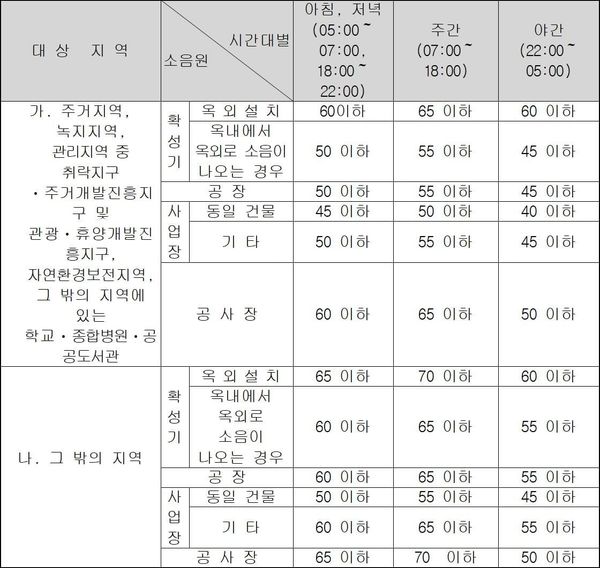
"We are operating within legal requirements."
Residents often respond:
"That doesn't change what we experience every day."
Interestingly, both perspectives may be valid.
A construction site can comply with regulations while nearby residents continue to experience significant disruption.
This difference explains why technical consultation often becomes necessary.
The goal is not simply to determine who is right.
The goal is to understand why the conflict exists and how it can be reduced.
What Residents Really Need
Contrary to popular belief, most residents do not contact experts because they want a noise measurement.
They usually ask questions like:
- What should I do first?
- Is this situation normal?
- Who is responsible?
- Can construction methods be improved?
- Is compensation even possible?
- How should I communicate with the contractor?
These questions require experience rather than equipment.
Experience Changes Outcomes
Every construction project is different.
Two sites producing similar sound levels may require completely different solutions.
One may benefit from schedule adjustments.
Another may require temporary noise barriers.
Another may involve redesigning equipment placement.
Another may simply require better communication between the contractor and nearby residents.
This is why experienced investigators spend more time understanding the site than collecting numbers.
The Importance of Objective Analysis
Construction noise disputes often become emotional.
That is understandable.
Sleep is disrupted.
Conversations become difficult.
Daily routines change.
However, lasting solutions are usually built on objective technical analysis rather than frustration alone.
When residents, contractors, and public authorities can discuss the same technical facts, meaningful progress becomes far more likely.
Final Thoughts
Construction noise compensation is often misunderstood.
It is not simply about proving that noise exists.
It is about understanding why it occurs, how it travels, whether it can be reduced, and what procedures are appropriate for resolving the dispute.
The most successful outcomes are rarely achieved through measurements alone.
They come from combining engineering knowledge, field investigation, technical analysis, and practical communication.
That is why experienced guidance often makes the greatest difference.
Frequently Asked Questions
Is measuring construction noise enough to receive compensation?
No. Noise measurements are important, but they represent only one part of a broader technical and procedural assessment.
Why do experts inspect the construction site before measuring?
Because construction methods, equipment, terrain, and building layout all influence how noise affects nearby residents.
Why do residents hire specialists?
Most residents seek expert guidance because they need help understanding construction methods, communication with contractors, technical analysis, and compensation procedures—not simply because they need a sound measurement.
About HCRI
Housing Culture Research Institute (HCRI) provides technical consulting in construction noise and vibration, environmental dispute resolution, expert investigation, residential education, and engineering analysis. With years of field experience, HCRI helps residents, contractors, and public organizations understand complex environmental noise issues and identify practical solutions.