Does an Apartment Rule Mean Noise Is Allowed Before 10 PM?
A Real Apartment Noise Dispute from Korea
One of the most common misunderstandings in apartment living involves noise rules.
Many residents believe that if an apartment regulation states that noise should be minimized between 10 PM and 6 AM, then any noise outside those hours is automatically acceptable.
A real apartment dispute in Korea shows why the issue is more complicated.
The Case
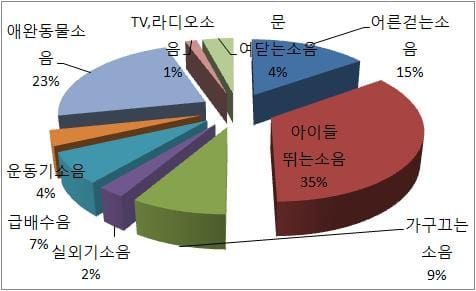
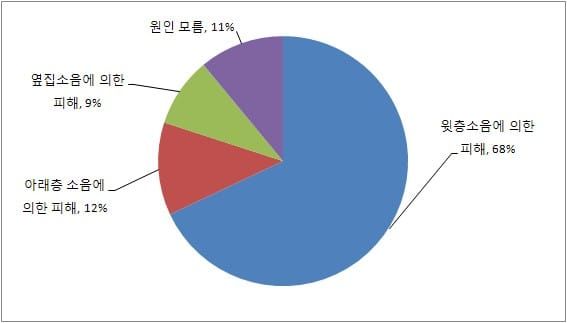
A resident reported years of repeated impact noise from the upstairs apartment.
According to the complaint, the noise included:
- heavy footsteps
- repeated impact sounds
- disturbances throughout the day
The resident eventually experienced sleep problems and significant stress.
After multiple complaints, the issue was referred to the apartment noise management committee.
The Upstairs Resident's Argument
The upstairs resident argued that:
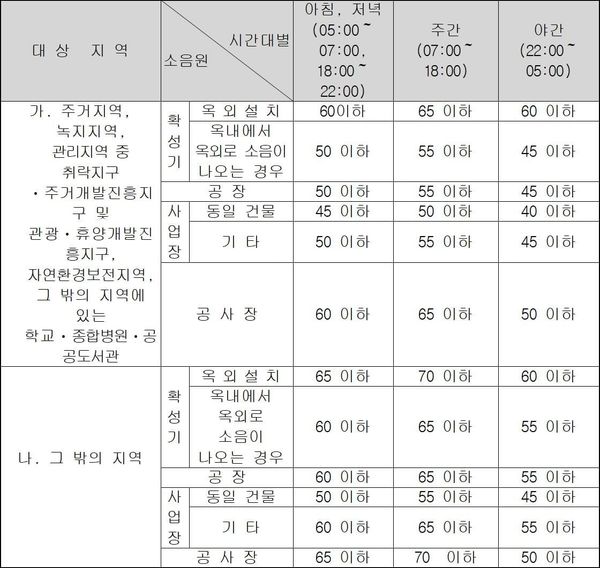
- apartment regulations required quiet hours only between 10 PM and 6 AM
- the sounds were ordinary living noise
- no rule had been violated
The Downstairs Resident's Argument
The downstairs resident argued that:
- the noise occurred repeatedly
- sleep and daily life had been affected
- the impact noise exceeded normal living standards
What Apartment Rules Actually Mean
A common mistake is interpreting quiet-hour rules as permission to make unlimited noise during the rest of the day.
However, apartment regulations generally establish minimum standards.
They do not eliminate the responsibility of residents to consider the impact of their activities on neighbors.
Why Documentation Matters
Apartment noise committees often rely on specific information such as:
- type of noise
- location of occurrence
- time of occurrence
- frequency of occurrence
General statements such as
"It's too noisy"
are usually less helpful than detailed records.
For example:
"Impact noise occurs in the bedroom between 6 AM and 8 AM."
provides clearer evidence.
Lessons from This Case
Noise disputes are rarely about sound alone.
They often involve:
- different interpretations of rules
- communication failures
- stress and emotional reactions
Successful resolution usually begins with clear documentation and constructive dialogue.
About the Housing Culture Research Institute (Korea)
The Housing Culture Research Institute researches:
- apartment noise disputes
- residential conflict management
- apartment noise committees
- housing culture improvement
throughout Korea.
Our goal is to promote healthier and more sustainable residential environments.
Key Takeaways
✅ Quiet-hour rules establish minimum standards, not unlimited freedom outside those hours.
✅ Detailed noise records are more valuable than general complaints.
✅ Communication and documentation are often more important than arguments.