How to Prove Construction Dust Damage: 7 Essential Evidence Steps
how to prove construction dust damage, construction dust complaint, construction dust evidence, PM10 construction site, construction dust compensation

Construction dust can contaminate windows, balconies, vehicles, laundry, air-conditioning units, and indoor spaces. However, simply stating that “the dust is severe” is usually not enough to establish responsibility.
To support a construction dust complaint or compensation claim, you should connect the construction activity, dust movement, weather conditions, and resulting damage with clear evidence.
Quick Answer: What Evidence Proves Construction Dust Damage?
The strongest evidence usually includes:
- Time-stamped photos and videos
- A daily construction dust log
- Weather and wind-direction records
- Dust or particulate matter measurements
- Official complaint and inspection records
- Cleaning, repair, and medical receipts
The evidence should show when the dust occurred, where it came from, and what damage it caused.
1. Record Dust Coming From the Construction Site
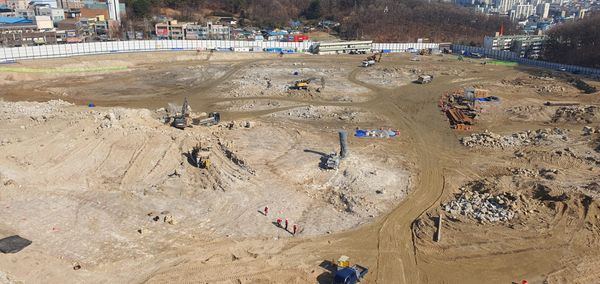
Take photos or videos while dust is actively being generated.
Record activities such as:
- Excavation and demolition
- Soil loading and transportation
- Construction vehicles raising road dust
- Missing or damaged dust-control screens
- Insufficient water spraying
- Dust clouds moving toward nearby homes
Keep the original files so that the date, time, and location information can be verified.
2. Photograph the Damage Before Cleaning
Document dust deposited on:
- Window frames and balconies
- Vehicles
- Outdoor air-conditioning units
- Laundry and household items
- Furniture near open windows
- Storefronts or business equipment
Take both wide-angle and close-up photos. Repeated photos from the same location can help demonstrate that the problem is ongoing rather than a one-time event.
Do not clean the affected area until the damage has been photographed.
3. Keep a Construction Dust Damage Log
Write down the following information each time dust occurs:
- Date and time
- Type of construction work
- Duration of the dust event
- Wind direction
- Weather conditions
- Affected area
- Level of contamination
- Complaints made to the contractor or authorities
A detailed log helps establish a timeline between construction activity and the reported damage.
4. Check Wind Direction and Site Location
Weather records can help show whether dust could have travelled from the construction site to the affected property.
Record:
- Wind direction
- Wind speed
- Rainfall
- Humidity
- Distance between the site and the property
Evidence is stronger when the construction site is upwind of the affected property during the documented dust event.
5. Measure PM10 and PM2.5 Levels
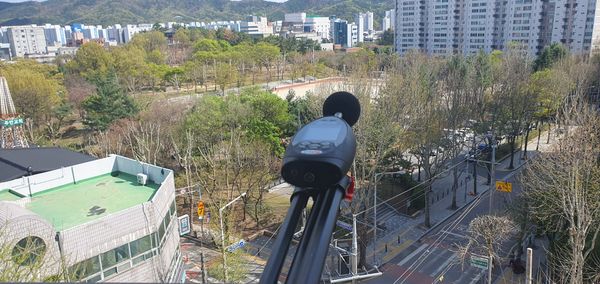
A portable particulate matter monitor can be used to record PM10 and PM2.5 concentrations before, during, and after construction work.
For more reliable results:
- Measure at the same location
- Use the same device each time
- Record the measurement time
- Note the weather conditions
- Compare active construction periods with non-working periods
- Take photos of the monitor display
Consumer-grade monitors may be affected by humidity and surrounding conditions. They should therefore be used as supporting evidence rather than the only proof.
For serious disputes, professional environmental testing is more reliable.
6. File an Official Complaint Immediately
Report severe construction dust while it is occurring. Prompt reporting gives local authorities a better opportunity to inspect the site and verify the conditions.
In South Korea, residents may report environmental pollution through the Environmental Pollution Hotline at 128 or submit a complaint through the national civil complaint system.
Your report should include:
- Exact construction-site location
- Date and time of the incident
- Type of construction activity
- Direction of the dust cloud
- Description of the damage
- Photos and videos
- Previous complaints made to the contractor
Keep complaint numbers, official responses, inspection reports, and written notices.
7. Keep Records of Financial and Health Damage
Save all documents showing actual expenses caused by construction dust.
Relevant records may include:
- Vehicle cleaning costs
- Window and exterior cleaning fees
- Air-conditioner filter replacement costs
- Laundry and professional cleaning expenses
- Repair or replacement estimates
- Medical bills and prescription receipts
- Business cleaning or temporary closure records
Receipts should clearly show the date, service, amount paid, and reason for the expense.
What Is the Best Way to Link the Dust to the Construction Site?
The key is to create a continuous chain of evidence:
Construction activity → dust generation → wind toward the property → dust deposits → actual damage
A single photo of a dusty window or vehicle may not prove where the dust came from. Multiple forms of evidence collected at the same time are much more persuasive.
Construction Dust Evidence Checklist
Before submitting a complaint or compensation request, prepare:
- Original photos and videos
- Construction dust diary
- Weather and wind records
- PM10 or PM2.5 measurements
- Map showing the construction site and affected property
- Official complaint records
- Inspection documents
- Cleaning and repair receipts
- Medical records, when relevant
Frequently Asked Questions
Can photographs alone prove construction dust damage?
Photographs are important, but they may not establish the source of the dust. They are more effective when combined with construction schedules, videos, wind records, measurements, and official complaints.
Should I clean the dust immediately?
Photograph and record the contamination before cleaning. If possible, keep evidence of the cleaning process and retain all receipts.
Can a smartphone measure construction dust?
A smartphone cannot directly provide reliable PM10 or PM2.5 measurements without an external sensor. A portable particulate matter monitor or professional testing service is more appropriate.
When should professional dust testing be considered?
Professional testing should be considered when the pollution is repeated, the affected area is large, health problems have occurred, or a compensation dispute is expected.
Final Summary
To prove construction dust damage, collect evidence as soon as the dust appears. Record the source, time, wind conditions, affected areas, particulate levels, complaints, and financial losses.
The most effective evidence combines:
Photos and videos + damage log + weather data + dust measurements + official records + receipts
Liability and compensation may vary depending on the construction activity, distance from the site, dust-control measures, weather conditions, and quality of the available evidence.