“If You Want Quiet, Make Noise Yourself” A Neighbor Noise Dispute in a Korean Corridor Apartment That Ended With Police Intervention
"Please close your door a little more often."
It seemed like a simple and reasonable request.
But for one resident living in a corridor-style apartment in Korea, that single sentence became the beginning of a conflict that eventually led to security guards, police officers, and a complete breakdown in neighbor relations.
The Day Everything Changed
When Ms. Kim (pseudonym), a woman in her 40s, moved into her apartment in Daegu, South Korea, life was peaceful.
The unit next door was vacant.
The hallway was quiet.
There were no major disturbances.
Then a new family moved in.
And within days, her daily life began to change.
The neighboring apartment frequently kept its front door open.
Children's voices echoed through the hallway.
Vacuum cleaners ran with the door open.
Laundry machines could be heard.
Arguments between parents and children carried through the corridor.
According to Ms. Kim:
"After only one week, I felt like I knew the entire daily routine of the family next door."
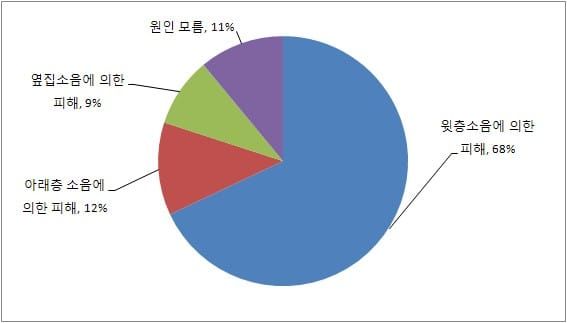
The noise was not coming from upstairs.
It was coming from right beside her home.
A Polite Request That Went Wrong
After speaking with the apartment management office, Ms. Kim decided to talk directly to her neighbor.
She tried to be polite.
She smiled and calmly explained:
"I would appreciate it if you could keep the front door closed more often. The sounds from inside your home travel into the hallway and into my apartment."
The response shocked her.
The neighbor replied:
"We have children. We keep the door open for ventilation."
Then the conversation became more hostile.
"Have you been watching us all this time?"
"Do you know what privacy invasion is?"
Instead of solving the problem, the discussion created a new conflict.
When Noise Becomes a Human Problem
Many people assume noise disputes are about sound.
In reality, they are often about relationships.
The noise itself was frustrating.
But what hurt more was the feeling of not being heard.
Residents involved in neighbor disputes frequently describe a sense of isolation.
They begin to feel that nobody understands what they are experiencing.
The conversation shifts from:
"The noise is bothering me."
to
"Nobody cares."
That is when conflicts become much more difficult to resolve.
Why Corridor Apartments Experience More Neighbor Noise
In Korea, many older apartment complexes use a corridor-style design.
Unlike tower-style buildings where front doors face enclosed elevator lobbies, corridor apartments have exterior walkways.
This creates unique noise pathways.
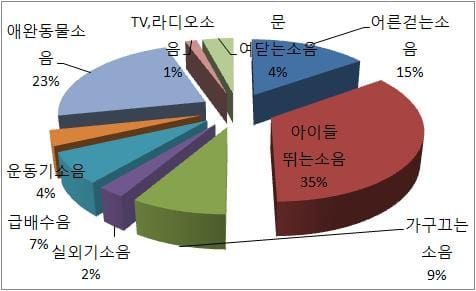
Common sounds include:
- children's voices
- vacuum cleaners
- televisions
- household conversations
These are airborne sounds that travel through open doors and hallways.
There is also another category:
Impact sounds.
For example:
- slamming doors
- striking walls
- heavy impacts on shared structures
These sounds can travel through the building itself.
The Worst Advice: “Just Do The Same Thing Back”
At one point, the neighbor reportedly suggested:
"If you don't like it, leave your door open and make noise too."
Unfortunately, many residential disputes follow this path.
Residents respond to noise with more noise.
Complaints become arguments.
Arguments become hostility.
The original issue becomes secondary.
A Similar Case That Had a Better Ending
According to noise-conflict consultant Sang-Gon Cha of the Housing Culture Research Institute in Korea, a very similar case occurred in a corridor-style apartment complex in Busan.
The solution was surprisingly simple.
Install an Interior Entrance Door
A secondary interior door significantly reduced airborne noise entering the apartment.
Replace Door Seals
New rubber seals around the entrance door reduced sound leakage.
Adjust the Door Closer
A properly adjusted door closer prevented loud slamming sounds.
Install a Door Holder or Door-Limit Device
This reduced the amount of time doors remained open.
Use a Third Party
Rather than direct confrontation, mediation through apartment management or a residential noise committee proved far more effective.
Sometimes the Problem Is Not the Noise
After years of consulting on apartment conflicts, one lesson appears repeatedly:
The loudest part of a noise dispute is often not the noise itself.
It is the feeling of disrespect.
People can tolerate inconvenience.
What they struggle to tolerate is the belief that their concerns do not matter.
A Final Thought
Apartment living means sharing walls, floors, hallways, and daily life with other people.
Absolute silence is impossible.
But consideration is not.
Closing a door gently.
Listening before arguing.
Trying to understand another person's perspective.
These small actions often solve problems that technology cannot.
About the Housing Culture Research Institute (Korea)
The Housing Culture Research Institute, led by Sang-Gon Cha, researches apartment noise, neighbor disputes, construction noise, vibration issues, and residential conflict management throughout Korea.
The institute provides consulting, education, and practical solutions to help residents and communities build healthier living environments.
Source
Real consultation case involving neighbor noise in a corridor-style apartment in Korea.