Living Next to a Highway in Korea Why Traffic Noise Is More Than Just an Annoyance
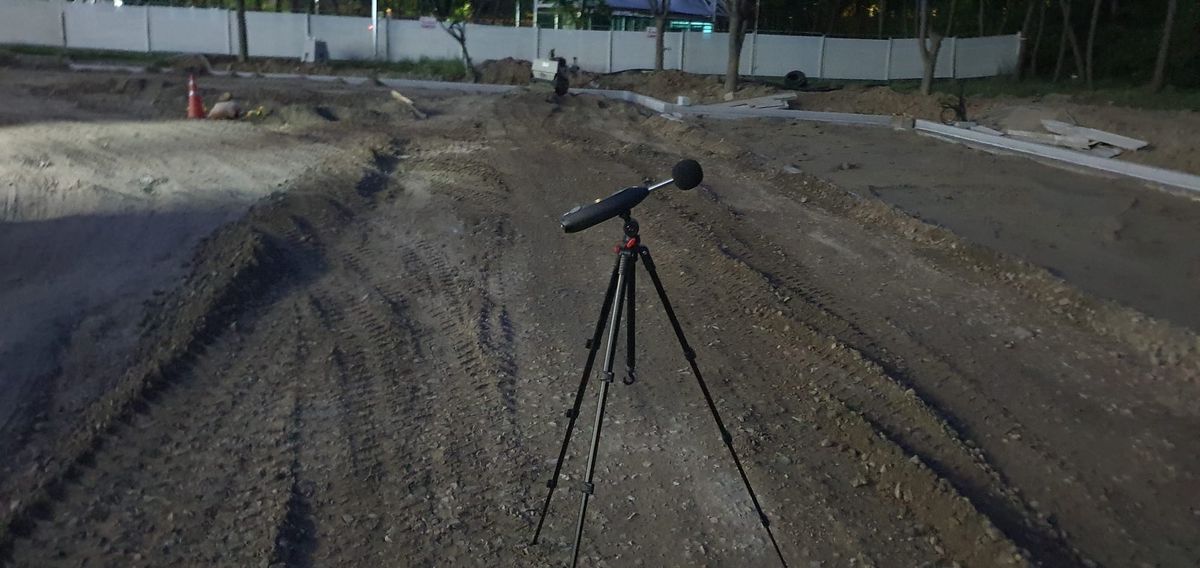
When people purchase an apartment near a major road or highway, they usually expect some level of traffic noise.
After all, roads and vehicles are part of modern urban life.
However, many residents living near highways in Korea describe a very different experience after moving in.
They often say:
“I knew the highway was there, but I never imagined the noise would affect my daily life this much.”
For some families, the issue is not simply loud sound.
It becomes a problem that affects sleep, health, concentration, and overall quality of life.
Urban Road Noise vs. Highway Noise
Not all traffic noise is the same.
In urban areas, traffic noise is often associated with:
- traffic lights
- vehicle acceleration
- motorcycles
- bus stops
- horns
Highway noise is different.
Vehicles travel at high speeds for long periods.
As speed increases, tire-road interaction becomes the dominant noise source.
This is known as tire-pavement noise.
Heavy trucks also generate low-frequency sound that can travel long distances and penetrate buildings more easily.
Residents often describe the sensation as:
“A constant humming sound.”
“I can feel the vibration even when the windows are closed.”
Noise Standards and Residential Areas
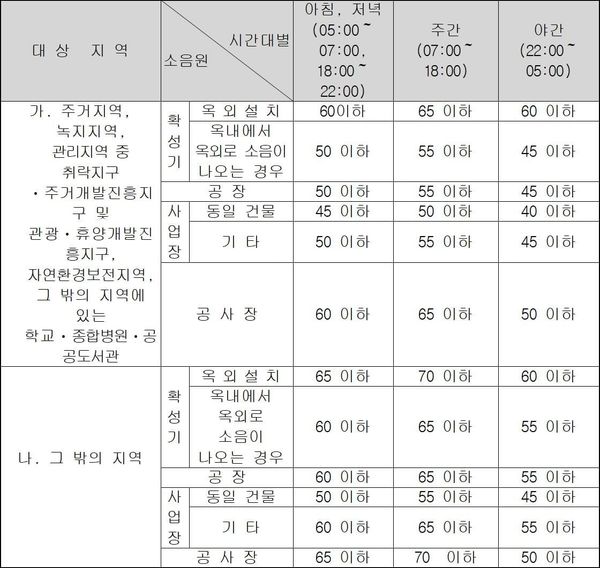
In Korea, residential environmental noise guidelines generally distinguish between daytime and nighttime periods.
Nighttime standards are more stringent because noise during sleeping hours can significantly affect health and well-being.
For residents, the biggest concern is often not the average noise level.
It is the repeated disturbance throughout the day and night.
The Human Cost of Traffic Noise
Research around the world has linked long-term traffic noise exposure to:
- sleep disturbance
- stress
- fatigue
- reduced concentration
- decreased residential satisfaction
For families with children, elderly residents, or people working from home, the impact can be even greater.
A Growing Issue in Korea
In several Korean cities, including parts of Seongnam, residents living near highways have raised concerns about traffic noise affecting their quality of life.
Some disputes have expanded beyond simple complaints and developed into legal conflicts involving developers, public agencies, and residents.
These cases highlight an important reality:
Traffic noise is not merely an inconvenience.
It is increasingly being viewed as a residential rights issue.
What Residents Can Do
Effective responses often include:
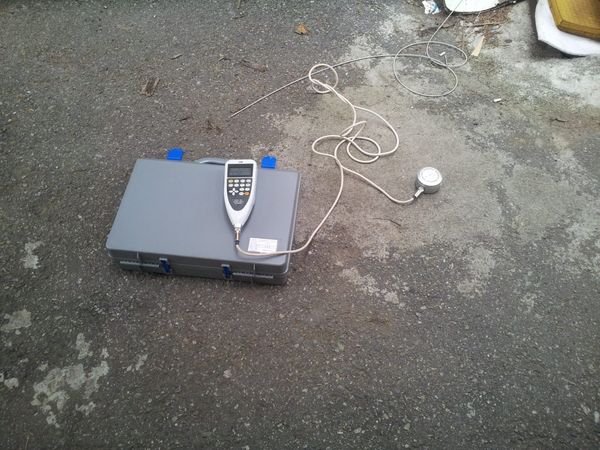
- documenting noise conditions
- recording nighttime disturbances
- comparing impacts between floors
- collecting resident opinions
- consulting environmental specialists
Individual complaints can be helpful, but community action is often more effective.
About the Housing Culture Research Institute (Korea)
The Housing Culture Research Institute researches traffic noise, apartment noise, construction impacts, and residential environmental conflicts throughout Korea. The institute provides consulting, education, and practical guidance for residents facing environmental noise issues.