“Nothing Changed Even After Reporting to the Management Office” What Apartment Management Offices Actually Do About Floor Noise Complaints
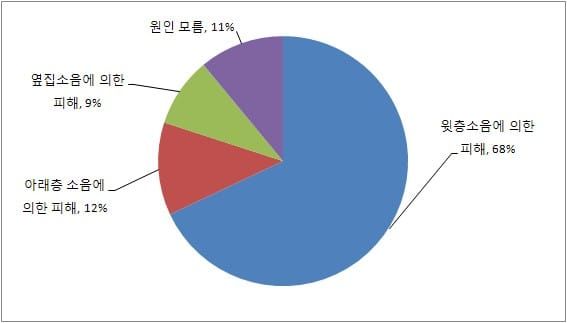
Many apartment complexes now legally operate floor-noise management committees.
However, even after 20 years, the first place residents still contact is usually:
👉 the apartment management office.
This article explains the real strengths and limitations of apartment management offices when handling floor-noise complaints.
📌 “I Thought They Would Just Tell Me to Endure It Again”
It was 11 PM.
Once again, heavy thumping sounds echoed from the ceiling.
At first, the resident tried to tolerate it.
Then again.
But after the noise continued until dawn, the resident finally contacted the apartment office.
By then, the resident was already emotionally exhausted.
👉 “Are they just going to tell me to endure it again?”
👉 “Does the management office even do anything?”
Many residents genuinely feel this way.
😢 “Even Coming Home Has Become Stressful”
Floor-noise complaints are not simply about loud sounds.
People describe:
- Sleep deprivation
- Children becoming frightened
- Increased arguments between spouses
- Sensitivity to even small noises
Eventually, many residents say:
👉 “Home no longer feels comfortable.”
🧠 The Management Office Also Faces Serious Pressure
This is something many residents do not realize.
Management staff often say:
👉 floor-noise complaints are among the most difficult parts of their job.
Why?
Because:
- One resident says, “I feel like I’m dying.”
- The other says, “This is unfair.”
In many cases, both sides are already emotionally overwhelmed.
🚨 What Does the Management Office Actually Do?
The process is usually more structured than people expect.
📊 Step 1: Complaint Reception
The management office first checks:
- Time of the noise
- Location
- Type of sound
- Whether it repeats
At this stage, the most important thing is:
👉 detailed records, not emotional accusations.
Examples include:
- Repeated impact noise between midnight and 1 AM
- Furniture dragging sounds
- Recurring late-night disturbances
📌 Step 2: Preventing Direct Confrontation
Many angry residents immediately go upstairs to confront neighbors.
However, in reality, this often escalates into:
- Door pounding
- Shouting
- Threats
- Retaliatory noise
That is why management offices usually advise residents:
👉 “Please avoid direct confrontation.”
😨 “We Didn’t Realize We Were Making Noise…”
Interestingly, many reported residents are unaware that they are creating disturbances.
Examples include:
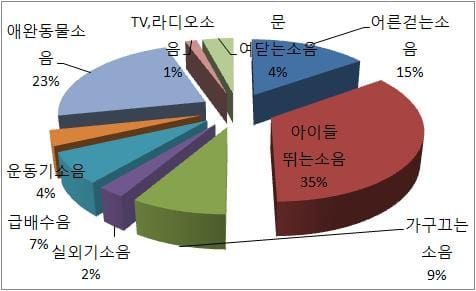
- Children running
- Chairs scraping
- Indoor exercise
- Late-night cleaning
In apartment buildings, even small impacts can travel strongly to lower floors.
🧠 Step 3: Delivering the Complaint
The management office acts as a neutral messenger.
The goal is not:
❌ deciding who is “wrong”
but instead:
✔ preventing the conflict from becoming worse.
💣 The Biggest Conflict Often Starts Here
Many complainants think:
👉 “Why aren’t they taking stronger action?”
Meanwhile, reported residents often feel:
👉 “Why are we being treated like criminals?”
As a result, the management office becomes trapped between both sides.
😢 “Management Staff Are Human Too”
In real apartment disputes, management staff often deal with:
- Late-night calls
- Repeated complaints
- Emotional outbursts
Some staff members even say that floor-noise complaints are the most emotionally exhausting part of apartment management.
🧠 The Most Important Thing Is Early Mediation
The biggest danger is not always the sound itself.
It is emotional escalation.
That is why realistic solutions focus on:
- Documentation
- Communication
- Mediation
- Lifestyle adjustments
🏢 Housing Culture Research Institute
Based on over 20 years of field experience:
👉 apartment noise conflicts often grow faster because of emotions and misunderstandings than because of the actual noise itself.
❓ What Do You Think?
- Have you ever filed a floor-noise complaint?
- Were you satisfied with the management office response?
- Did direct confrontation make the situation worse?
📌 Final Message
👉 “The first step in resolving apartment noise conflicts may not be determining who is right — but preventing emotions from exploding.”