The Crack Wasn't the Beginning — It Was the Warning A Real Story About Construction Vibration and Hidden Building Damage in Korea
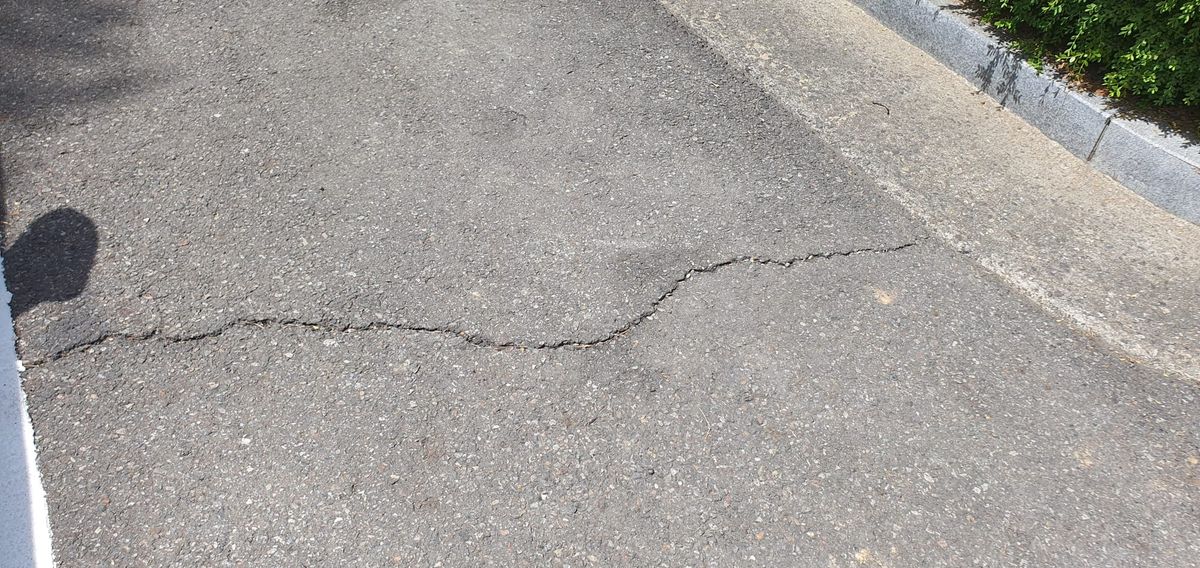
When Mr. Park first noticed a small crack in his living room wall, he ignored it.
It looked harmless.
Just a thin line near the window.
Nothing unusual.
After all, buildings develop cracks over time.
At least that's what he believed.
But six months later, the crack had doubled in size.
The window frame no longer closed properly.
A tile in the bathroom had started separating from the wall.
And just outside his apartment complex, a major construction project was underway.
"How Do I Know If Construction Caused This?"
This is one of the most common questions asked by residents living near construction sites in Korea.
Many people assume:
Crack = Construction Damage
Unfortunately, the reality is more complicated.
Buildings develop cracks for many reasons:
- natural aging
- temperature changes
- settlement of the ground
- poor construction quality
- vibration from nearby construction
The challenge is determining which factor caused the damage.
The Mistake Most Residents Make
Residents usually start collecting evidence after they discover a crack.
By then, valuable information may already be lost.
The most important evidence is often:
The condition of the building before construction began.
Without that information, proving damage becomes significantly more difficult.
Why Construction Vibration Matters
Construction vibration behaves differently from ordinary noise.
You may not always hear it.
But buildings can feel it.
Repeated vibration from:
- blasting
- pile driving
- excavation
- heavy equipment
can gradually affect weak areas of a structure.
In many cases, vibration does not create entirely new damage.
Instead, it enlarges existing weaknesses.
What Experts Actually Look For
At the Housing Culture Research Institute in Korea, crack investigations rarely begin with the crack itself.
Instead, experts ask:
- When did it first appear?
- Has it grown?
- What construction activity was occurring nearby?
- Were there previous defects?
- Are neighboring buildings experiencing similar issues?
The answer is usually found in patterns, not assumptions.
The Real Lesson
The crack is often not the problem.
It is the warning.
A warning that documentation should begin.
A warning that professional evaluation may be necessary.
And sometimes, a warning that a community needs to work together rather than respond individually.
What Residents Should Do Immediately
If you notice a crack near an active construction site:
- Photograph it.
- Record the date.
- Measure its width if possible.
- Continue documenting changes.
- Speak with neighbors.
- Seek professional advice before conclusions are made.
About the Housing Culture Research Institute (Korea)
The Housing Culture Research Institute researches construction vibration, environmental disputes, apartment noise, and residential building damage throughout Korea.
Our mission is simple:
Help residents understand what is happening before small problems become major disputes.