When Should Residents Form an Emergency Committee During Construction? The First Step Toward Managing Construction Impacts
Learn why forming an Emergency Resident Committee before construction begins can improve communication, reduce conflicts, and help communities manage construction impacts more effectively.
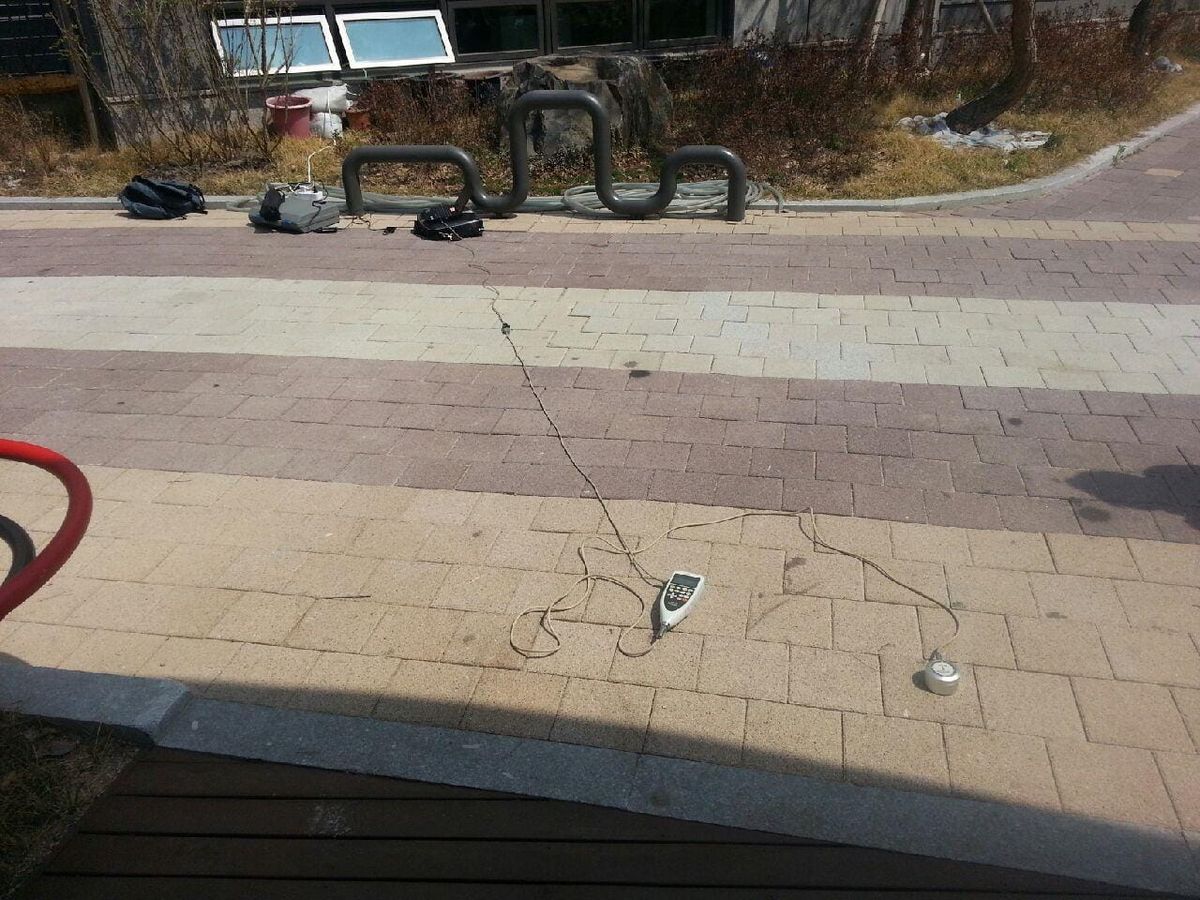
When a redevelopment or reconstruction project begins near an apartment complex, residents usually focus on one question:
"How can we receive compensation if construction causes noise or vibration?"
After more than 25 years of investigating construction-related environmental impacts in South Korea, we have learned that compensation discussions rarely begin with measurements or legal action.
The first and often most important step is organizing an Emergency Resident Committee.
Communities that prepare early are generally in a stronger position to communicate with developers and manage environmental issues throughout the construction project.
Why Timing Matters
Many residents wait until construction noise becomes severe before organizing.
In practice, that is often too late.
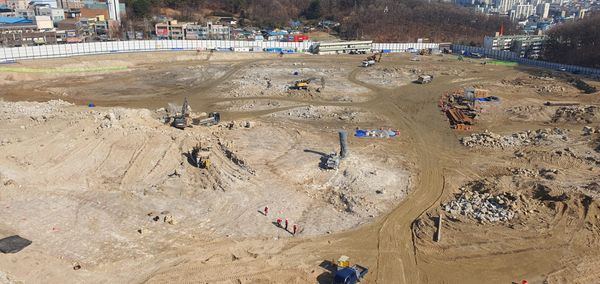
Construction projects usually progress through several stages:
- Demolition
- Excavation
- Foundation work
- Structural construction
Each phase creates different environmental impacts such as noise, vibration, and dust.
Once the major construction stages have passed, opportunities to discuss preventive measures may become more limited.
For this reason, organizing before or during the early stages of construction is generally more effective.
What Does an Emergency Resident Committee Do?
Some people assume the committee exists only to negotiate compensation.
Its role is actually much broader.
An Emergency Resident Committee serves as the official communication channel between residents and the construction company.
Typical responsibilities include:
- Collecting residents' concerns
- Sharing construction schedules
- Discussing noise, vibration, and dust mitigation
- Coordinating communication with developers
- Participating in compensation discussions when appropriate
Rather than creating conflict, the committee helps establish continuous communication throughout the project.
How Should the Committee Be Organized?
Every community is different, but successful committees often follow similar steps.
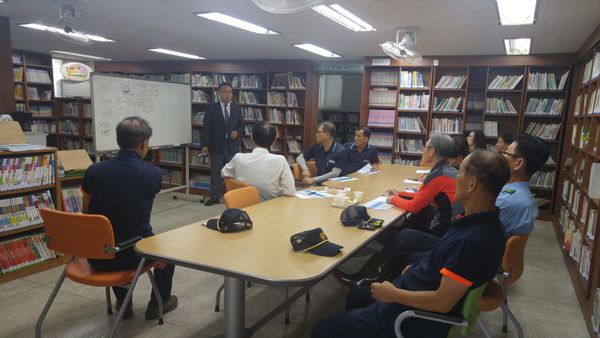
1. Hold a Resident Meeting
Introduce the construction project and explain the expected environmental impacts.
2. Elect Resident Representatives
Choose representatives from different buildings or sections of the apartment complex.
These representatives become the primary contact points for residents.
3. Define Responsibilities
Assign practical roles such as:
- Committee Chair
- Secretary
- Communications Coordinator
- Resident Liaison
A clear structure helps maintain consistent communication during long construction projects.
4. Establish an Official Communication Channel
Instead of individual residents contacting the construction company separately, communication becomes centralized through the committee.
This approach usually improves efficiency and reduces misunderstandings.
Why Early Organization Often Leads to Better Outcomes
Construction impact management is rarely resolved through a single complaint.
It usually develops through continuous discussions over many months.
Communities that organize early can:
- Monitor construction progress more effectively
- Share information among residents
- Discuss mitigation measures sooner
- Maintain organized communication with developers
This structured approach often benefits everyone involved.
The Apartment Management Office Has a Different Role
Residents sometimes expect the apartment management office to negotiate compensation.
In reality, its role is different.
The management office primarily manages the apartment complex itself.
An Emergency Resident Committee represents residents during discussions related to construction impacts.
Although both organizations may cooperate, their responsibilities are not the same.
A Common Situation We Observe
During our field investigations, we frequently encounter communities that organize an emergency committee only after construction has been underway for a long time.
By that point, many important construction stages have already been completed.
This does not mean meaningful discussions are impossible.
However, communities that organize earlier generally have more opportunities to communicate, share concerns, and discuss practical solutions while construction is still ongoing.
Practical Insight from HCRI
At the Housing Culture Research Institute (HCRI), we have spent more than two decades investigating construction noise, vibration, dust, and environmental impacts across South Korea.
One lesson appears repeatedly.
Successful communities rarely wait until problems become severe.
Instead, they organize early, establish clear communication with developers, and continue discussions throughout the construction period.
An Emergency Resident Committee is not simply a group formed to demand compensation.
It is a practical system that helps residents communicate effectively, protect community interests, and manage construction-related impacts in an organized way.
Key Takeaways
- Organize an Emergency Resident Committee before major construction begins whenever possible.
- Create a clear communication structure between residents and developers.
- Keep records of concerns throughout the project.
- Focus on continuous communication rather than reacting only after problems become serious.
Early preparation often creates better opportunities for cooperation and more effective management of construction impacts.
About HCRI
The Housing Culture Research Institute (HCRI) specializes in:
- Construction noise investigations
- Construction vibration assessment
- Construction dust consulting
- Environmental impact evaluation
- Resident committee consulting
- Community dispute resolution
Our work is based on more than 25 years of practical field experience investigating construction-related environmental issues throughout South Korea.
Recommended Reading
- Why Do Some Apartment Complexes Receive Construction Compensation While Others Do Not?
- Construction Dust: The Hidden Impact Beyond Noise
- Understanding Construction Vibration in Residential Communities