When Your Home Starts Shaking Understanding Construction Vibration and Blasting Standards in Korea
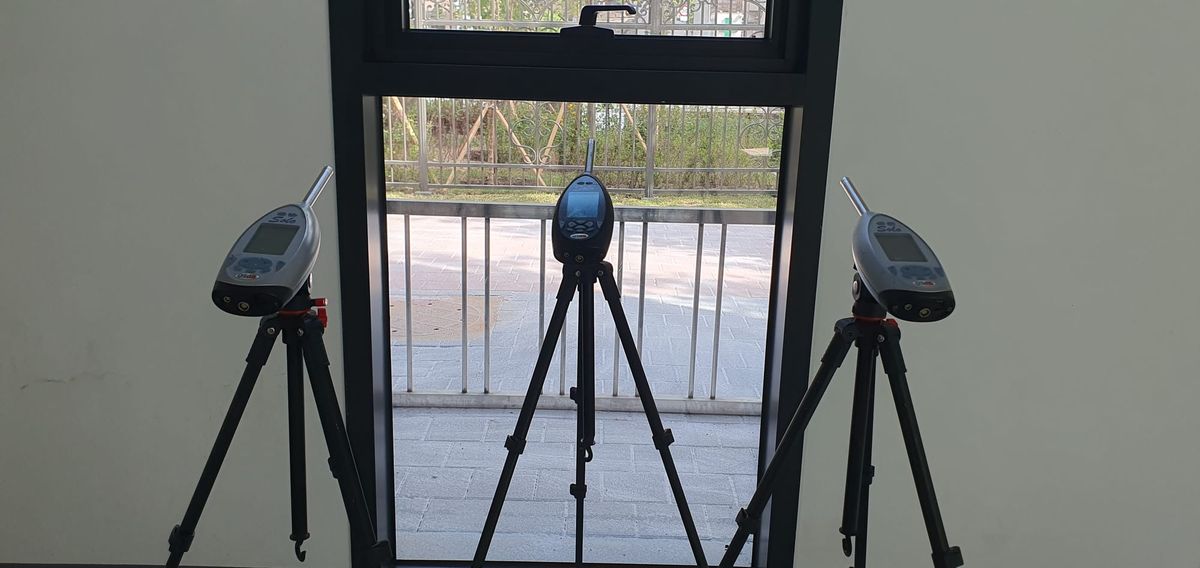
Many residents complain about construction noise.
However, vibration is often an even greater concern.
Unlike noise, vibration can be physically felt through walls, floors, windows, and furniture.
What Is Construction Vibration?
Construction vibration may be generated by:
- excavation work
- heavy machinery
- pile driving
- blasting operations
Residents often describe the experience as:
"The windows are rattling."
"The bed is shaking."
"The entire room vibrates."
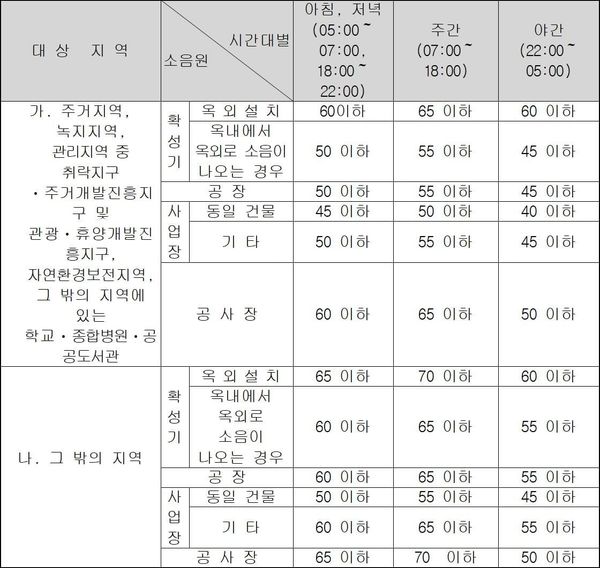
Korean Vibration Standards
For Area A:
- Daytime: 65 dB(V)
- Nighttime: 60 dB(V)
For Area B:
- Daytime: 70 dB(V)
- Nighttime: 65 dB(V)
Special Rules for Blasting
Blasting activities are treated differently because they create short but powerful vibration events.
Additional adjustment criteria may apply under Korean environmental regulations.
Why Vibration Complaints Are Difficult
Unlike ordinary noise, vibration often includes low-frequency energy.
Residents may experience:
- sleep disturbance
- anxiety
- fatigue
- pressure sensations
even when they cannot clearly identify the source.
Community Action Matters
One resident filing a complaint may not always be enough.
Successful cases often involve:
- shared records
- resident cooperation
- expert consultation
- long-term documentation
Key Takeaways
- Vibration can be more disruptive than noise.
- Low-frequency vibration is often felt rather than heard.
- Blasting activities are regulated separately.
- Documentation is essential when filing complaints.
About the Housing Culture Research Institute (Korea)
The Housing Culture Research Institute provides research, consulting, and education on construction vibration, environmental disputes, and residential noise management.