Why Apartment Noise Committees Work in Korea A Community-Based Approach That Reduced Noise Complaints by 70%
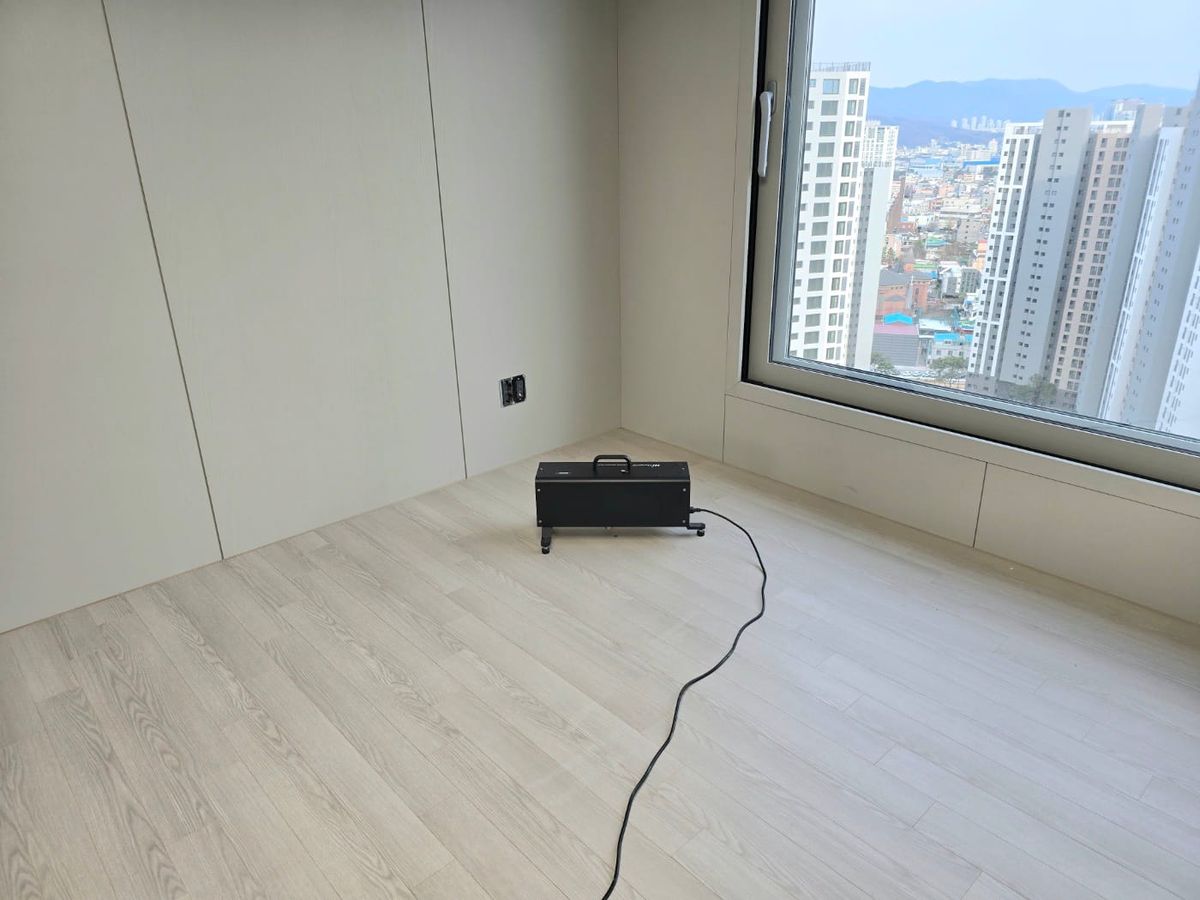
Apartment noise disputes are one of the most common causes of neighbor conflicts in high-density residential buildings.
Many property managers focus on handling complaints after they occur.
However, South Korea's experience suggests a different approach:
Prevent conflicts before they become disputes.
How Apartment Noise Committees Started in Korea
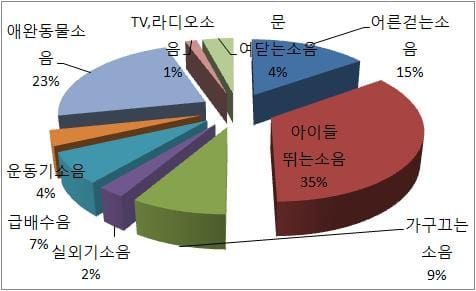
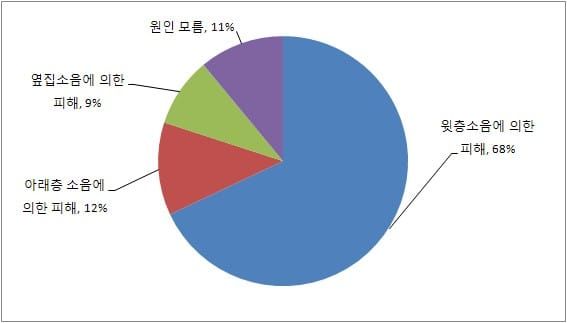
In 2012, noise complaints between apartment residents increased rapidly across South Korea.
In response, the Ministry of Environment supported research into practical solutions.
One of the key recommendations was the creation of Apartment Noise Committees within residential communities.
Pilot programs were conducted in apartment complexes located in:
- Gyeonggi Province
- Daegu
- Busan
The projects included:
- committee formation
- resident education
- operating rules
- management consulting
The results were significant.
Noise complaints decreased by more than 70% in participating communities.
The Biggest Misunderstanding
Many apartment communities assume that a noise committee exists to process complaints.
This is not its primary purpose.
The most successful committees focus on:
Prevention
rather than
Complaint Resolution
By the time a complaint reaches management, relationships between neighbors are often already damaged.
What Successful Communities Do Differently
Regular Meetings
Committees meet even when no complaints exist.
Resident Education
New residents learn about apartment living expectations.
Communication Channels
Residents know where to seek help before frustration escalates.
Record Management
Noise concerns are documented early and objectively.
Lessons for Property Managers
Apartment noise cannot be eliminated entirely.
However, conflicts can often be prevented.
The most effective communities are not those without complaints.
They are the communities that actively manage relationships before conflicts develop.
Key Takeaways
- Noise committees should focus on prevention.
- Education is often more effective than enforcement.
- Early intervention reduces long-term disputes.
- Community trust is a critical management tool.
About the Housing Culture Research Institute (Korea)
The Housing Culture Research Institute researches apartment noise, construction noise, residential conflict management, and community dispute prevention throughout South Korea.