Why Apartment Noise Management Committees Matter: Key Takeaways from the Seodaemun District Training
Apartment Noise Management Committee, Floor Noise, Apartment Noise Dispute, Residential Noise, Neighbor Conflict, South Korea Apartment, Community Mediation, HCRI, Housing Culture Research Institute, Apartment Management, Noise Resolution
Published by HCRI (Housing Culture Research Institute)
Noise disputes between apartment residents are rarely just about sound. More often, they become conflicts driven by misunderstanding, frustration, and a lack of communication.
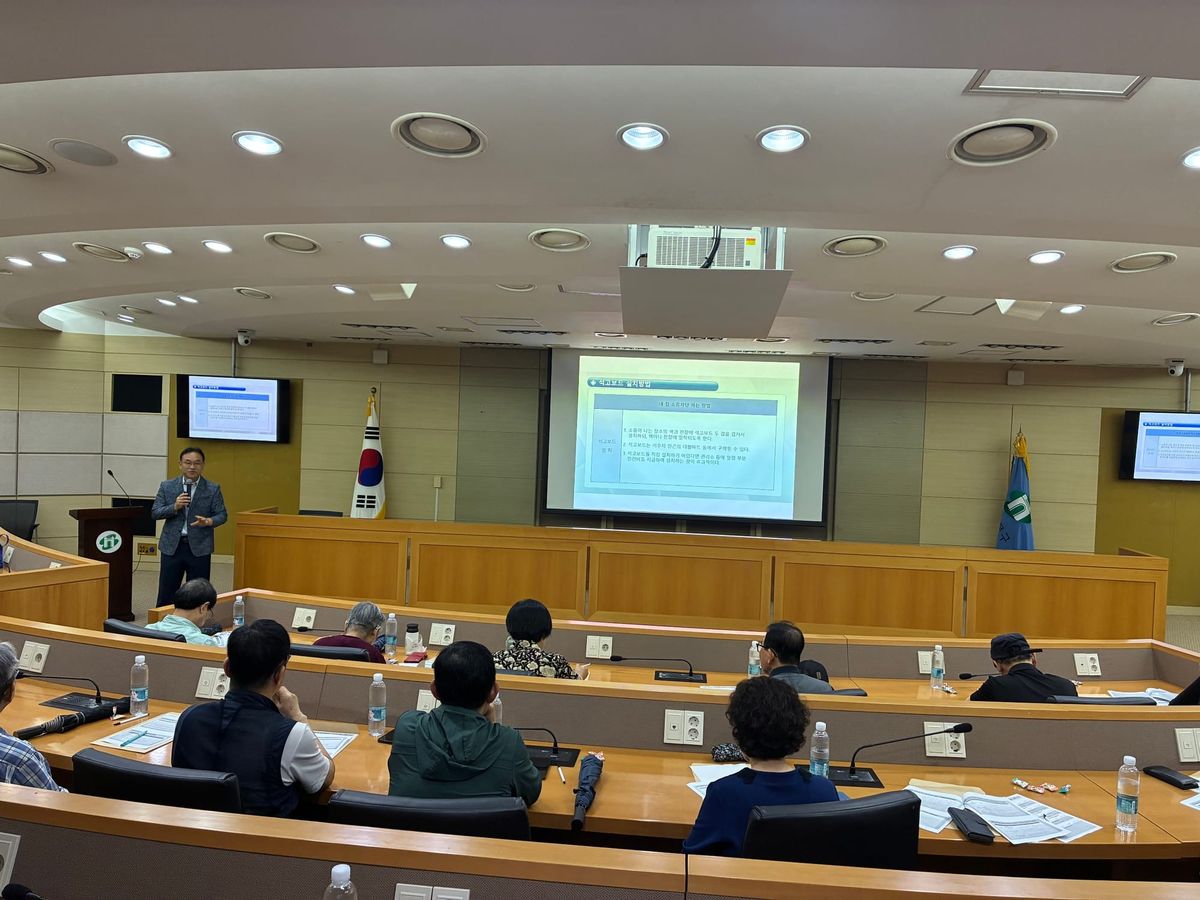
To help residential communities address these issues before they escalate, the Seodaemun District Office in Seoul hosted a training session for members of Apartment Noise Management Committees on July 22, 2026. The seminar was led by Sanggon Cha, Director of the Housing Culture Research Institute (HCRI) and attended by approximately 50–70 committee members. The program focused on understanding floor noise, the responsibilities of Noise Management Committees, and practical dispute resolution strategies.
Floor Noise Is More Than a Noise Problem
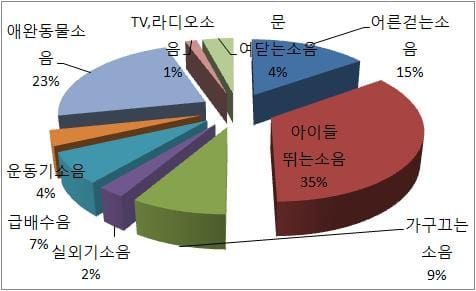
Many apartment noise complaints begin with ordinary daily activities. However, if they are not handled properly, they can quickly develop into disputes between neighbors.
Repeated complaints often create distrust, emotional stress, and in some cases, legal conflicts.
This is why Apartment Noise Management Committees play an essential role in modern multi-family housing. Their objective is not only to respond to complaints but also to prevent conflicts from becoming long-term disputes.
The Role of an Apartment Noise Management Committee
Many residents assume that the committee simply receives complaints.
In reality, its responsibilities are much broader.
A well-functioning committee should:
- Listen fairly to both parties involved.
- Gather objective information before making conclusions.
- Encourage constructive communication between neighbors.
- Recommend practical solutions.
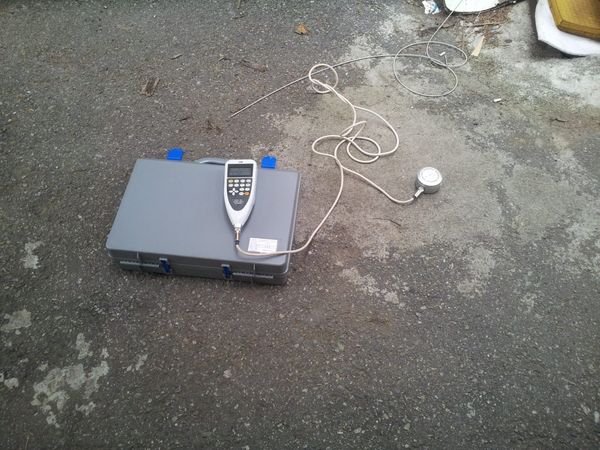
- Seek professional assistance when technical investigations are necessary.
Most importantly, committee members must remain neutral throughout the process.
Supporting one resident without sufficient evidence can increase tension and make resolution far more difficult.
Understanding the Real Source of Noise
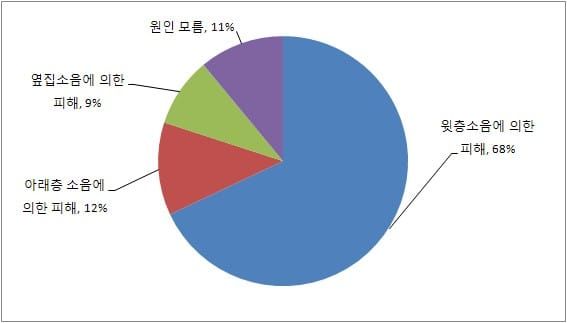
One of the important topics discussed during the training was that the apparent source of noise is not always the actual cause.
Residents may assume that noise comes from an upstairs or neighboring apartment, while the real source could be:
- Elevator brake systems
- Building mechanical equipment
- Plumbing systems
- Shared building facilities
Without objective verification, misunderstandings can easily develop into serious neighbor disputes.
Professional investigation and accurate identification of the noise source are often the key to resolving these situations.
Prevention Is Better Than Resolution
One of the strongest messages from the training was that preventing disputes is far more effective than resolving them after emotions have intensified.
Apartment Noise Management Committees can help by:
- Educating residents about considerate living habits.
- Responding to complaints at an early stage.
- Encouraging respectful communication.
- Providing mediation before conflicts become legal issues.
These proactive efforts contribute to a healthier residential environment and stronger community relationships.
Building Better Communities Through Education
The Seodaemun District training highlighted that Apartment Noise Management Committees are much more than administrative bodies.
They serve as an important bridge between residents, helping communities resolve disputes through communication, impartiality, and professional guidance.
As apartment living becomes increasingly common, investing in committee education and effective mediation will remain one of the most practical ways to reduce residential noise conflicts and improve the quality of life for everyone.
About HCRI
The Housing Culture Research Institute (HCRI) has more than 25 years of practical experience in residential noise consulting, dispute mediation, construction noise assessment, and community education throughout South Korea.
HCRI provides training programs for local governments, apartment management offices, and Apartment Noise Management Committees to promote sustainable residential communities.