Why Can't I Sleep Even When It's Quiet? The Hidden Connection Between Apartment Noise, Construction Noise, and Low-Frequency Sound
You close the windows.
You turn off the television.
The room feels quiet.
Yet somehow, you still cannot sleep.
Many people assume that if a room is quiet, noise cannot be the problem.
In reality, some of the most disruptive sounds are not always the loudest.
When Quiet Doesn't Feel Quiet
Residents living near apartment construction sites often say:
"The noise isn't extremely loud anymore, but I still can't relax."
Apartment residents experiencing neighbor noise often report:
"I keep waiting for the next impact sound."
This is an important clue.
The human brain reacts not only to volume but also to expectation.
When people anticipate a noise, their bodies remain in a heightened state of alertness.
The Problem with Unpredictable Sounds
A passing vehicle creates a predictable pattern.
Most people quickly adapt to it.
Apartment noise is different.
Examples include:
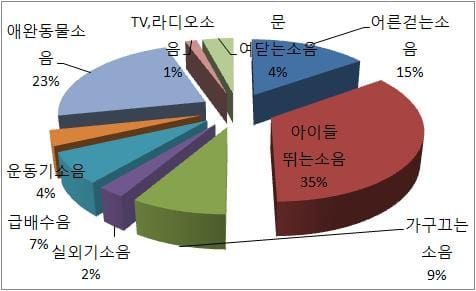
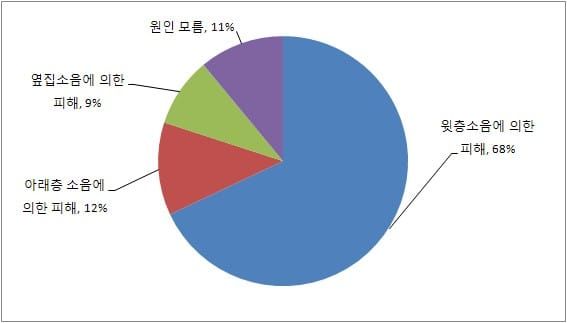
- footsteps from upstairs
- furniture dragging
- children running
- sudden impact sounds
Construction noise can create a similar effect:
- drilling
- hammering
- concrete breaking
- excavation equipment
The timing is uncertain.
The next sound could happen in ten seconds or ten minutes.
This uncertainty increases psychological stress.
Low-Frequency Noise: The Sound You Feel
Not all noise is heard clearly.
Some sounds occur at very low frequencies.
Common sources include:
- construction machinery
- generators
- water pumps
- ventilation systems
- heavy equipment
Residents often describe these experiences as:
"A humming sensation."
"The room feels like it's vibrating."
"My chest feels uncomfortable."
In many cases, the problem is not loudness but continuous low-frequency energy.
Why Sleep Is Affected First
During sleep, the brain continues monitoring the environment.
Sudden impact sounds or low-frequency vibration can trigger brief awakenings.
Even if people do not fully wake up, sleep quality may decline.
Over time this can lead to:
- daytime fatigue
- reduced concentration
- irritability
- increased stress
A Korean Example
In Korea, both apartment noise and construction noise are among the most common residential complaints.
The Housing Culture Research Institute has found that many residents initially focus on the sound itself.
However, long-term complaints are often connected to:
- sleep disruption
- stress accumulation
- anxiety caused by uncertainty
The emotional burden frequently becomes larger than the actual sound level.
What Residents Can Do
When noise problems continue:
Keep a Record
Document:
- date
- time
- duration
- type of noise
Patterns often reveal useful information.
Work Together
Construction noise and apartment noise are rarely solved by one resident acting alone.
Community communication is often more effective than individual complaints.
Seek Expert Guidance
Complex noise and vibration problems may require professional evaluation.
Understanding the source is the first step toward finding a solution.
Key Takeaways
- Quiet environments can still contain disruptive noise.
- Unpredictable sounds create psychological stress.
- Low-frequency noise is often felt rather than heard.
- Sleep quality is usually affected before people realize it.
- Documentation and community action are important tools.
About the Housing Culture Research Institute (Korea)
The Housing Culture Research Institute researches apartment noise, construction noise, vibration, low-frequency sound, and residential conflict management throughout Korea.
The institute provides education, consulting, and practical solutions to improve residential environments and reduce noise-related disputes.