Why Community Action Matters More Than Individual Complaints in Construction Blasting Disputes
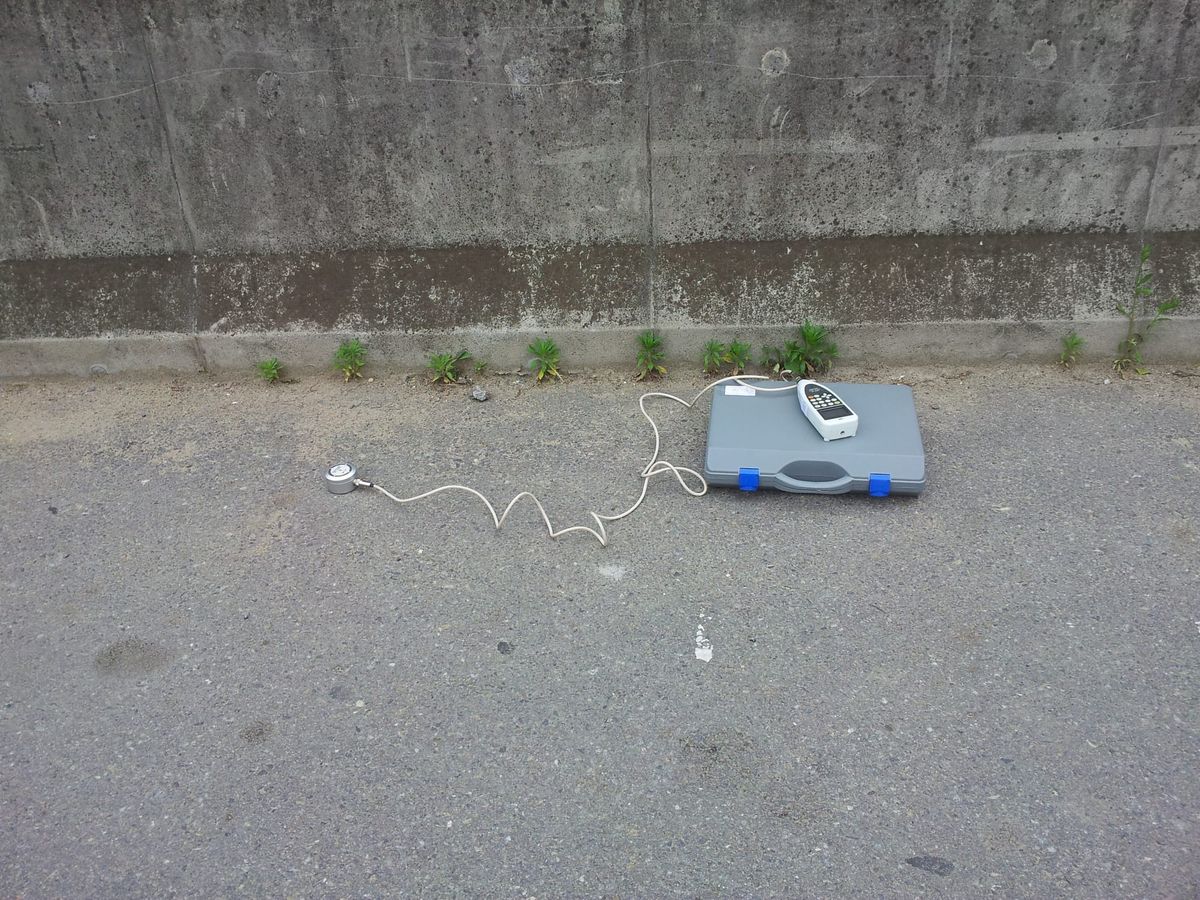
Construction Noise, Blast Vibration, and Environmental Compensation in Korea
When construction blasting occurs near residential areas, many residents focus on the explosive noise itself.
However, long-term complaints are often associated with something less visible:
Low-frequency vibration and repeated environmental stress.
In Korea, residents living near tunnels, rail projects, and large-scale developments frequently report concerns related to blasting activities.
The Hidden Impact of Blast Vibration
Blast vibration may cause:
- shaking windows
- vibrating walls
- sleep disturbance
- anxiety
- reduced quality of life
Even when visible structural damage is not present, residents may continue to experience stress-related symptoms.
Why Individual Complaints Often Struggle
Many residents attempt to resolve problems independently.
Meanwhile, construction companies often have:
- environmental managers
- safety managers
- legal teams
- engineering consultants
This difference in resources can make individual complaints difficult to pursue.
The Importance of Community Action
Community-based responses provide several advantages.
Broader Evidence Collection
Multiple households documenting similar impacts may help establish the extent of environmental disturbance.
Stronger Communication
Resident associations and community representatives often have greater influence during discussions with developers.
Environmental Dispute Resolution
Collective documentation can assist when environmental impacts are reviewed.
How Environmental Damage Is Evaluated
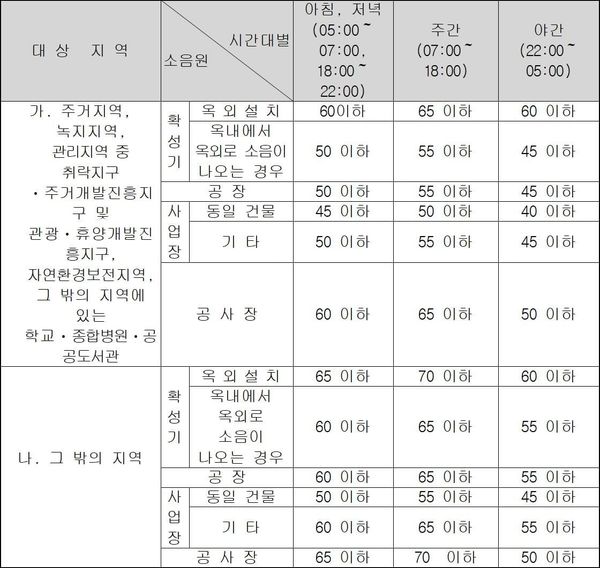
Environmental dispute reviews in Korea may consider:
| Category | Evaluation Factors |
|---|---|
| Blast Noise | Peak sound levels |
| Blast Vibration | Peak Particle Velocity (PPV) |
| Building Damage | Cracks and structural concerns |
| Residential Impact | Sleep disturbance and discomfort |
| Duration | Repetition and persistence |
Practical Community Strategies
Residents may consider:
- community reporting groups
- resident association involvement
- public information requests
- expert consultation
- shared documentation systems
About the Housing Culture Research Institute (Korea)
The Housing Culture Research Institute researches:
- construction noise
- blast vibration
- environmental disputes
- residential environmental impacts
throughout Korea.
The institute supports healthier residential environments through research, education, and environmental impact awareness.
Key Takeaways
✅ Blast vibration can affect quality of life even without visible building damage.
✅ Individual complaints often face practical limitations.
✅ Community action and collective documentation can strengthen environmental impact assessments.
References
- National Environmental Dispute Resolution Commission (Korea)
- Ministry of Environment, Korea
- WHO Environmental Noise Guidelines
- Housing Culture Research Institute (Korea)