Why Does Construction Noise Feel Worse on Saturday Mornings?
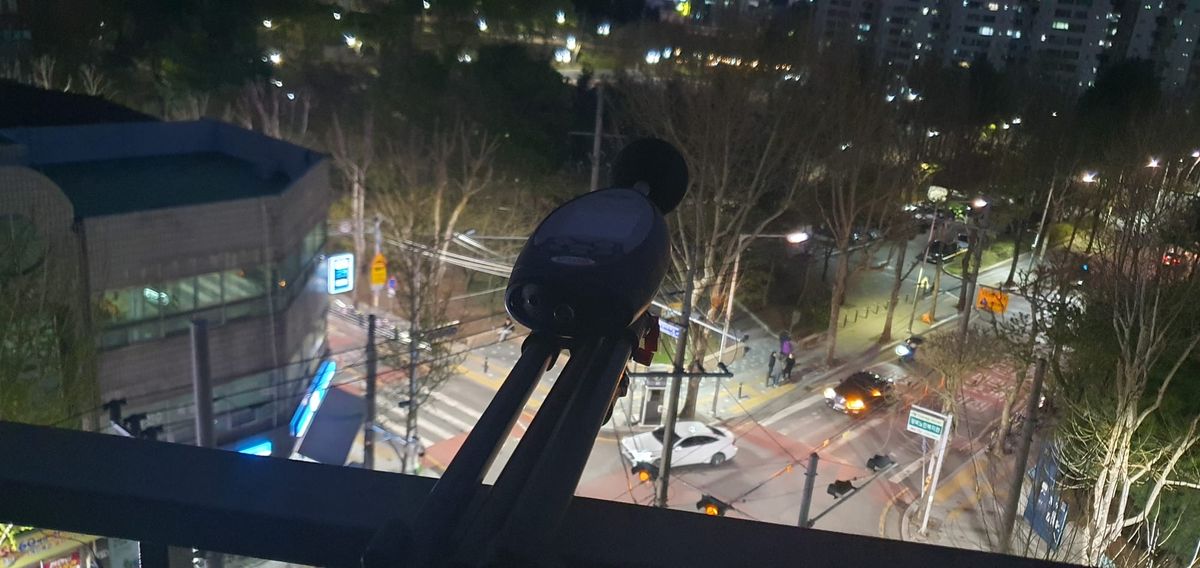
The Hidden Impact of Low-Frequency Noise Near Residential Buildings
It starts before breakfast.
A deep humming sound.
A slight vibration in the windows.
Then heavy machinery begins operating.
For many residents living near construction sites in Korea, this has become a familiar weekend experience.
The surprising part is that many people describe the vibration before they describe the noise.
What Is Low-Frequency Noise?
Low-frequency noise is different from ordinary environmental noise.
Instead of sounding sharp or loud, it often feels like:
- a continuous hum
- pressure inside the room
- vibrating windows
- shaking walls
- a sensation felt more by the body than the ears
Construction equipment commonly associated with low-frequency noise includes:
- excavators
- diesel generators
- hydraulic breakers
- heavy trucks
- earth-moving machinery
Why Weekends Are Different
Weekday construction is often tolerated because people are away from home.
Weekends change the situation completely.
Residents remain indoors longer.
Children study at home.
Older adults rest.
Families expect peace and quiet.
When heavy construction begins early on Saturday morning, the psychological impact becomes much greater—even if measured noise levels remain similar.
The Importance of Community Documentation
One resident reporting construction noise may receive limited attention.
Several households documenting the same pattern create much stronger evidence.
Residents should record:
- dates
- times
- machinery in operation
- vibration observations
- low-frequency humming
- effects on daily life
Patterns are often more persuasive than isolated complaints.
Looking Beyond Decibel Levels
Construction noise should not be evaluated only by loudness.
Repetition.
Duration.
Low-frequency vibration.
Timing.
All influence how residents experience environmental noise.
Understanding these factors helps create more balanced discussions between construction companies, local governments, and nearby communities.
A Message from Korea
As Korean cities continue to redevelop, balancing urban growth with residents' quality of life becomes increasingly important.
Weekend construction noise reminds us that environmental management is not only about engineering.
It is also about respecting the everyday lives of people living nearby.
About the Housing Culture Research Institute (Korea)
The Housing Culture Research Institute conducts research and education on construction noise, vibration, low-frequency noise, apartment living, and residential conflict management in Korea.
We share practical knowledge based on field experience to help communities better understand environmental challenges.
Join our newsletter for real case studies, research insights, and practical guidance from Korea.