Wind Turbine Noise and Infrasound: Why Some People Hear It and Others Do Not
Learn why wind turbine low-frequency noise and infrasound affect people differently, why noise is worse at night, and how it should be measured.

Noise is one of the most common complaints from people living near wind farms.
Some residents say they hear a constant humming sound at night and struggle to sleep. Others living nearby say they hear nothing at all.
Is this simply a difference in sensitivity? Recent research suggests that people may detect very low-frequency sound in different ways.
What Is Wind Turbine Low-Frequency Noise?
Most people can hear sounds between approximately 20 Hz and 20,000 Hz.
Sound below 20 Hz is generally called infrasound. It is usually difficult to hear, but people may still detect it when the sound pressure is strong enough.
Low-frequency noise and infrasound can come from many sources, including:
- Wind turbines
- Large fans
- Heating and ventilation systems
- Compressors and pumps
- Engines and generators
- Strong winds, thunder and ocean waves
Wind turbines create aerodynamic noise as the blades move through the air. Larger turbines may produce more low-frequency sound than smaller turbines under certain conditions.
Why Does Wind Turbine Noise Affect People Differently?
Normal sounds are detected by sensory cells inside the inner ear. These cells turn vibration into electrical signals that are sent to the brain.
However, recent research suggests that infrasound below about 16 Hz may also be detected through a different process involving other cells in the inner ear.
This process may not work in exactly the same way for everyone.
As a result, one person may notice a low humming or pulsing sound, while another person in the same area may not detect it at all.
This means wind turbine noise complaints should not automatically be dismissed as simple oversensitivity.
Sound Pressure and Perceived Loudness Are Different
Sound pressure is the physical strength of a sound wave moving through the air.
Loudness is how strong that sound feels to a person.
The two are not always the same.
A small increase in low-frequency sound pressure may sometimes feel like a much larger increase in loudness. This may help explain why some residents describe wind turbine noise as suddenly becoming strong or uncomfortable.
How loud a sound feels can depend on:
- Frequency
- Individual hearing characteristics
- Background noise
- Time of day
- Room and building structure
Even when the measured decibel level is similar, people may experience the sound differently.
Why Does It Sound Like Humming, Throbbing or Rattling?
Very low-frequency sound may not be heard as a clear, continuous tone.
Instead, it can feel like repeated pulses or separate vibrations.
Residents may describe it as:
- Humming
- Throbbing
- Pulsing
- Rattling
- Pressure in the ears
- A vibration inside the room
Some people may feel the sound more as pressure or movement than as an ordinary noise.
Why Is Wind Turbine Noise More Noticeable at Night?
Wind turbine noise can become more noticeable when the surrounding area is quiet.
During the day, traffic, people, machinery and other environmental sounds may partially cover low-frequency noise.
At night, background noise becomes much lower. This can make the low-frequency components of wind turbine sound stand out more clearly.
Research also suggests that ordinary higher-frequency sounds may reduce a person’s ability to detect infrasound.
This may explain why low-frequency wind turbine noise is sometimes more disturbing in quiet rural areas than in places with more varied background noise.
Can Wind Turbine Infrasound Cause Health Problems?
Current evidence does not prove that wind turbine infrasound directly causes a specific disease.
However, research has consistently linked wind turbine noise with:
- Noise annoyance
- Sleep disturbance
- Stress
- Difficulty relaxing
- Increased concern about repeated noise
The level of discomfort may also be affected by wind speed, wind direction, landscape, turbine operation, housing structure and personal expectations.
Wind turbine noise should therefore be investigated carefully, without assuming that every complaint has the same cause.
Why Average Decibel Levels Are Not Enough
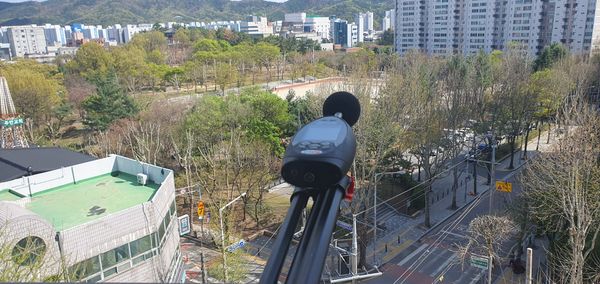
Measuring only the average noise level may fail to show the full problem.
A proper wind turbine noise assessment should also consider:
- Noise levels at different frequencies
- Low-frequency noise and infrasound
- Daytime and nighttime differences
- Wind speed and direction
- Turbine operating conditions
- Repeated or pulsing noise patterns
- Outdoor and indoor sound levels
- The background noise of the area
Indoor measurements are especially important because some low-frequency sounds may become more noticeable inside certain rooms.
Better Wind Farm Planning Is Needed
The distance between a wind turbine and a home is important, but distance alone is not enough.
Wind farm planning should also consider:
- Local terrain
- Prevailing wind direction
- Nighttime background noise
- The location and design of nearby homes
- Indoor sound characteristics
- Expected turbine operating conditions
Site-specific assessments can help reduce future noise complaints and improve communication with residents.
How Can Wind Turbine Noise Be Reduced?
Wind turbine manufacturers and operators are developing several ways to reduce noise.
These may include:
- Improving blade shape
- Changing blade materials or structure
- Adjusting turbine speed
- Limiting operation under certain wind conditions
- Improving wind farm layout
- Monitoring noise during nighttime operation
The most effective solution will depend on the source, frequency and timing of the noise.
Conclusion
Wind turbine noise is more complex than a single decibel reading.
People may detect low-frequency noise and infrasound differently. Quiet nighttime conditions, wind direction, terrain and building structure may also affect how strongly the sound is experienced.
For this reason, wind turbine noise complaints should not be treated only as a matter of personal sensitivity.
A more reliable assessment should include frequency analysis, nighttime measurements, indoor monitoring and local environmental conditions.
Understanding these differences is an important first step toward reducing wind turbine noise and resolving conflicts between wind farm operators and nearby communities.