You're Not Too Sensitive Why Apartment Noise and Construction Noise Affect People Differently
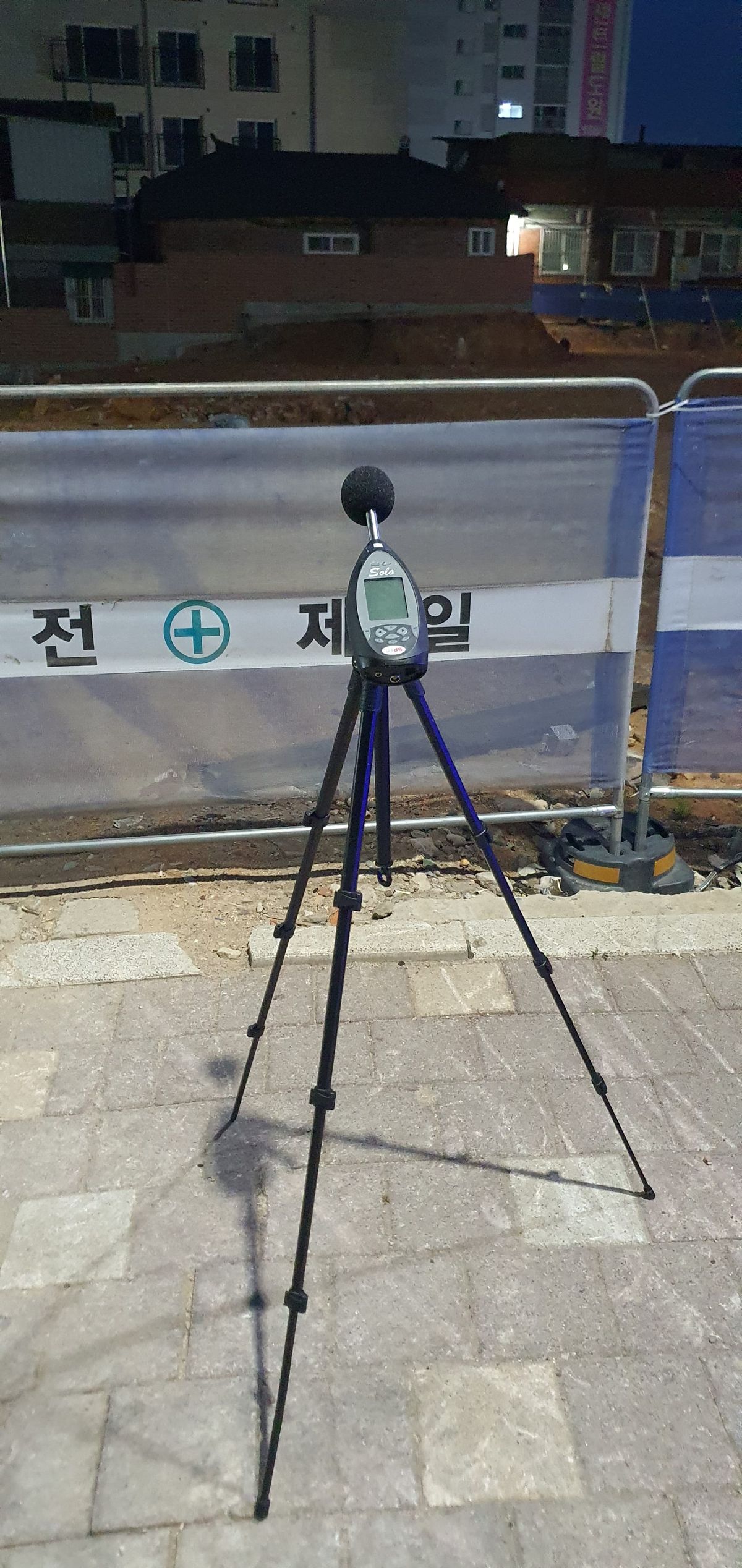
Many residents who suffer from apartment noise hear the same response:
"Maybe you're just too sensitive."
But what if that's not true?
What if the problem is not sensitivity, but the way the human body reacts to sound?
Not Everyone Hears Noise the Same Way
Humans can generally hear sounds between 20 Hz and 20,000 Hz.
However, people do not experience sound in the same way.
Factors such as:
- age
- stress levels
- sleep quality
- health conditions
can significantly influence how noise is perceived.
The same sound may feel minor to one person and overwhelming to another.
Why Apartment Noise Feels Worse
Traffic noise usually comes and goes.
Apartment noise is different.
Residents often describe it as:
- unpredictable
- repetitive
- impossible to ignore
A sudden impact sound from an upstairs unit at 11 p.m. may not be extremely loud, but it can immediately wake a sleeping resident.
The uncertainty is often more stressful than the sound itself.
Construction Noise Creates a Similar Reaction
Construction sites generate noise from:
- breakers
- drilling equipment
- excavation machinery
- demolition work
These sounds often contain sharp impact characteristics.
The human brain tends to interpret sudden impact sounds as warning signals.
This is why many residents living near construction sites report:
- sleep disturbances
- stress
- fatigue
- anxiety
even when measured noise levels appear acceptable.
The Hidden Role of Low-Frequency Noise
Some of the most difficult noise problems are not loud at all.
Low-frequency noise from:
- pumps
- HVAC systems
- generators
- large construction equipment
may create vibrations that people feel rather than hear.
Residents frequently describe these sensations as:
"The walls are humming."
"The room feels like it's vibrating."
"Something feels wrong, but I can't identify the source."
It's Not Just About Your Ears
Long-term exposure to noise can affect:
- sleep quality
- concentration
- mood
- stress levels
This is why apartment noise disputes and construction noise complaints often become emotional conflicts rather than simple technical issues.
A Lesson from Korea
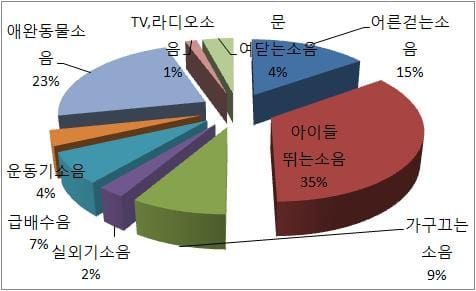
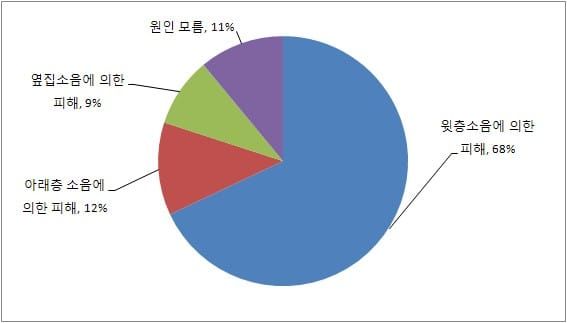
In Korea, apartment noise and construction noise are major residential concerns.
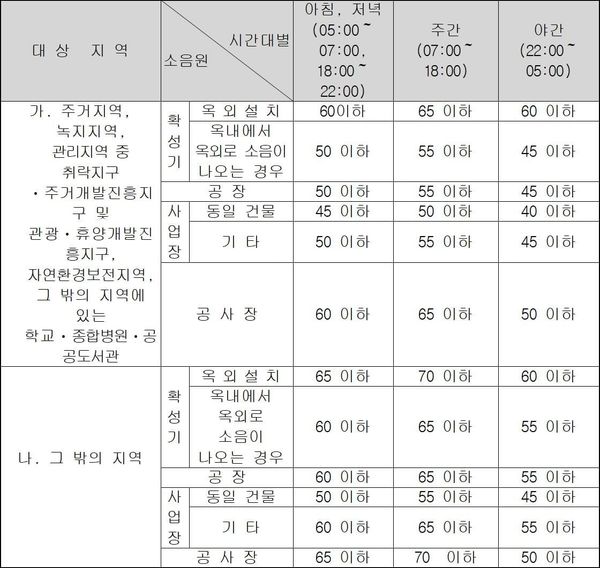
The Housing Culture Research Institute has observed that many conflicts become worse because people focus only on noise levels and ignore human responses to sound.
Understanding how people experience noise is often the first step toward solving the problem.
Key Takeaways
- Noise perception varies from person to person.
- Apartment noise causes stress because it is unpredictable.
- Construction impact noise can trigger biological stress responses.
- Low-frequency noise is often felt rather than heard.
- Noise affects sleep, health, and quality of life.
About the Housing Culture Research Institute (Korea)
The Housing Culture Research Institute conducts research on apartment noise, construction noise, vibration, low-frequency noise, and residential conflict management throughout Korea.