Why Construction Noise Compensation Cases Are Challenging for Lawyers (Part 1)
Construction noise and dust compensation cases require far more than legal expertise. Learn why evidence collection, professional noise monitoring
The Biggest Challenge Is Not the Law—It's the Evidence
When residents suffer from excessive construction noise or dust, one of the first questions they ask is:
"Should I hire a lawyer?"
It seems like the logical first step.
However, construction noise and dust compensation cases are very different from ordinary civil lawsuits.
Many lawyers approach these cases cautiously—not because they are impossible, but because the legal process depends heavily on technical evidence that must be collected long before a lawsuit begins.
Construction Noise Cases Begin with Evidence, Not Litigation
Unlike a traffic accident, where the event itself is usually clear, construction-related environmental damage must first be proven.
Before a lawsuit can move forward, several questions need reliable answers:
- When did the noise occur?
- Which construction project produced it?
- Did the noise exceed legal standards?
- How long did residents experience the disturbance?
- Can the damage be directly linked to the construction site?
Without reliable answers, even the strongest legal argument becomes difficult.
Collecting Noise Data Takes Time
Many people believe that measuring construction noise is simple.
In reality, it rarely is.
Construction activities change from day to day.
Different equipment produces different sound levels.
Some of the loudest work may only occur during specific construction phases.
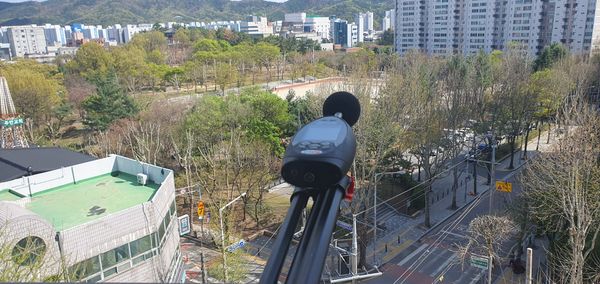
Because of this, professional noise monitoring often requires repeated measurements over an extended period.
Building sufficient evidence may take weeks or even months, increasing both time and cost.
Dust Claims Are Even More Difficult
Dust-related compensation is often harder to prove than noise.
Dust can originate from many sources, including:
- Road traffic
- Nearby construction projects
- Industrial facilities
- Seasonal dust storms
- Weather conditions
For this reason, establishing that a particular construction site caused measurable damage is significantly more challenging.
In many court cases, compensation is awarded for excessive noise while dust-related claims receive less recognition or are rejected due to insufficient evidence.
Lawyers First Evaluate the Available Evidence
When lawyers review a construction compensation case, they often begin by asking questions such as:
- Has professional noise monitoring been conducted?
- Are there records showing when the disturbances occurred?
- Have residents documented their experiences?
- Is there evidence connecting the construction activities to the reported impacts?
These questions are essential because the strength of the evidence largely determines the strength of the legal claim.
Conclusion
Construction noise and dust compensation cases are not purely legal disputes.
They combine environmental science, engineering, technical measurements, and law.
Without credible evidence, litigation becomes significantly more difficult.
This is one reason many lawyers carefully evaluate these cases before deciding whether to proceed.
Next Article
Why Construction Noise Lawsuits Often Take Years to Resolve (Part 2)
In Part 2, we'll explain:
- Why some construction compensation lawsuits last more than three years.
- Why resident communication becomes a major challenge.
- Why compensation amounts may not always match residents' expectations.
- Why many disputes are resolved before reaching trial.