Why Construction Noise Compensation Cases Are Challenging for Lawyers (Part 2)
Construction noise lawsuits often involve years of evidence collection, technical investigations, and continuous communication with affected residents. Learn why these cases require far more than legal expertise alone.
Long Lawsuits, High Costs, and Why Many Disputes Are Resolved Before Trial
In Part 1, we explained why construction noise and dust compensation cases depend heavily on technical evidence.
But evidence is only part of the challenge.
Another reason many lawyers carefully evaluate these cases is that construction-related environmental disputes often require significant time, continuous client communication, and substantial resources before a final outcome is reached.
Construction Compensation Lawsuits Can Take Years
Many people assume that filing a lawsuit will quickly solve the problem.
Unfortunately, construction noise cases rarely move that fast.
Unlike ordinary civil disputes, these cases may require:
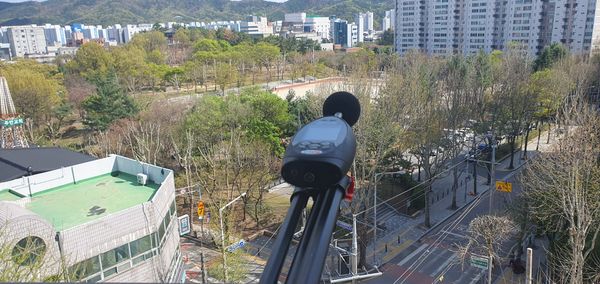
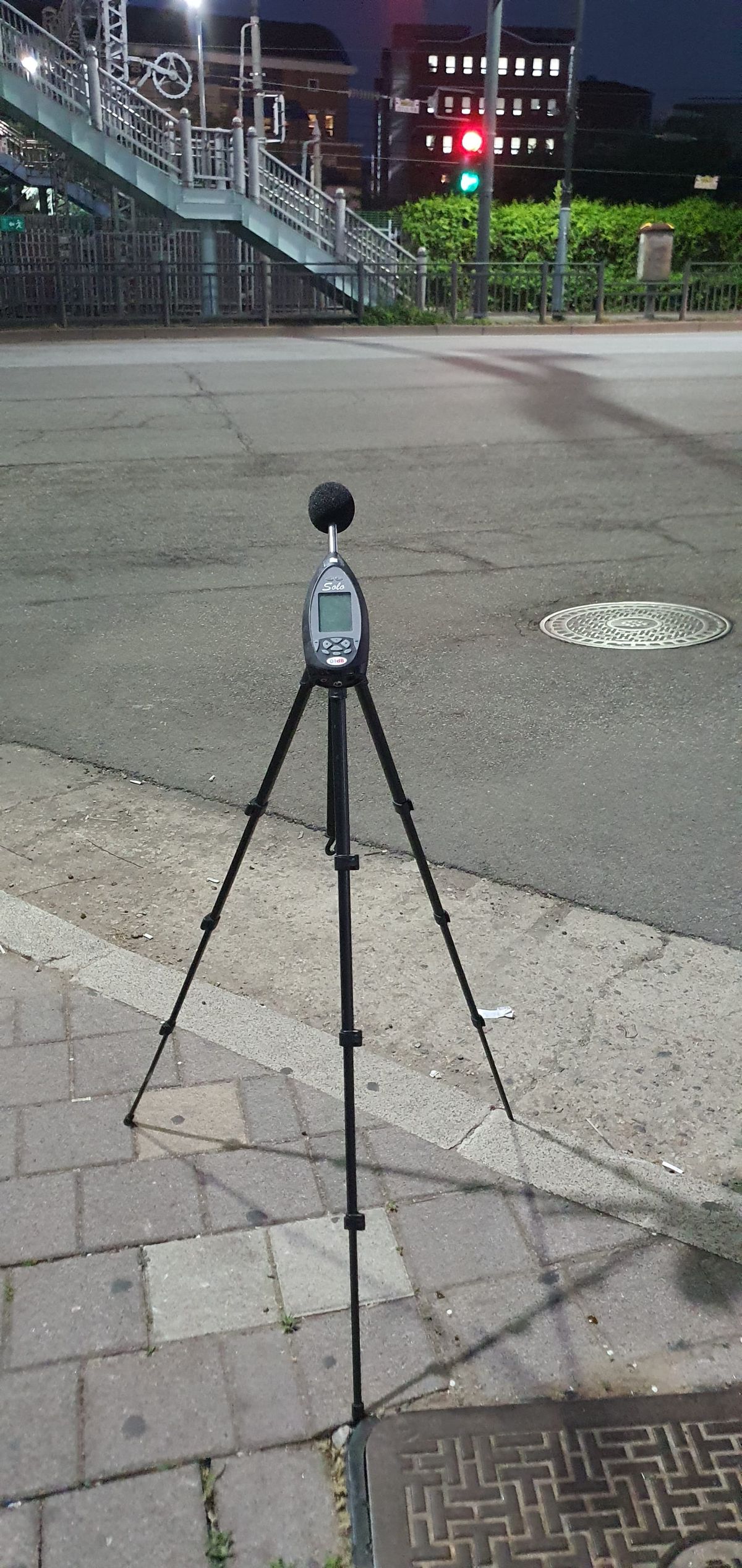
- Professional noise monitoring
- Environmental investigations
- Technical expert reports
- Engineering assessments
- Witness testimony
- Court-appointed expert evaluations
Because of these additional procedures, some construction compensation lawsuits can continue for two to three years or even longer, depending on the complexity of the case.
For residents, that means living with uncertainty.
For lawyers, it means managing a long-term case that demands continuous attention.
Legal Work Is Only Part of the Process
Construction noise disputes involve much more than drafting legal documents.
Residents frequently ask questions such as:
- What is happening with the case?
- When will compensation be available?
- Should additional evidence be collected?
- How should new construction activities be documented?
When dozens or even hundreds of residents are involved, communication becomes a major part of the work.
Lawyers may spend considerable time coordinating with resident representatives, reviewing new evidence, and explaining legal procedures throughout the litigation.
Compensation May Be Lower Than Expected
Another challenge is that successful litigation does not always result in substantial compensation.
Courts examine each claim individually.
In many cases, excessive noise may be recognized while dust-related claims receive limited recognition or are dismissed because the source cannot be established with sufficient certainty.
As a result, the final compensation may be lower than residents initially expected.
For lawyers, these cases often involve significant time and effort relative to the financial value of the claim, making careful case evaluation essential.
Strong Preparation Can Reduce the Need for Litigation
Not every construction dispute ends in court.
When residents have:
- Well-organized documentation,
- Professional noise measurements,
- Construction schedules,
- Consistent records of disturbances,
construction companies are sometimes more willing to negotiate before litigation becomes necessary.
Early preparation can strengthen a resident's negotiating position and may lead to faster resolutions.
Construction Compensation Requires a Team
Construction environmental disputes rarely depend on legal expertise alone.
Successful cases often involve collaboration among:
- Residents
- Resident representatives
- Noise and vibration specialists
- Environmental consultants
- Engineers
- Lawyers
Each professional contributes different expertise.
Technical experts establish the facts.
Lawyers apply the law.
Together, they create a stronger foundation for negotiation or litigation.
Final Thoughts
Construction noise and dust compensation cases are among the most technically demanding types of civil disputes.
They require patience, reliable evidence, professional investigations, and careful legal strategy.
For this reason, many lawyers evaluate these cases cautiously before accepting representation.
The most effective approach is often to build strong evidence first and view litigation as the final step—not the first.
Series Conclusion
This two-part series explained why construction noise compensation cases are uniquely challenging.
Part 1
- Why technical evidence matters more than legal arguments.
- Why professional noise monitoring is essential.
- Why dust claims are particularly difficult.
Part 2
- Why these lawsuits may last several years.
- Why communication with residents is a major challenge.
- Why compensation may not always meet expectations.
- Why preparation and negotiation often matter more than litigation itself.